Writing craft, how to take notes, and how to approach writing careers as a freeway, not a lane. A Q&A with Screenwriter: Bob Saenz

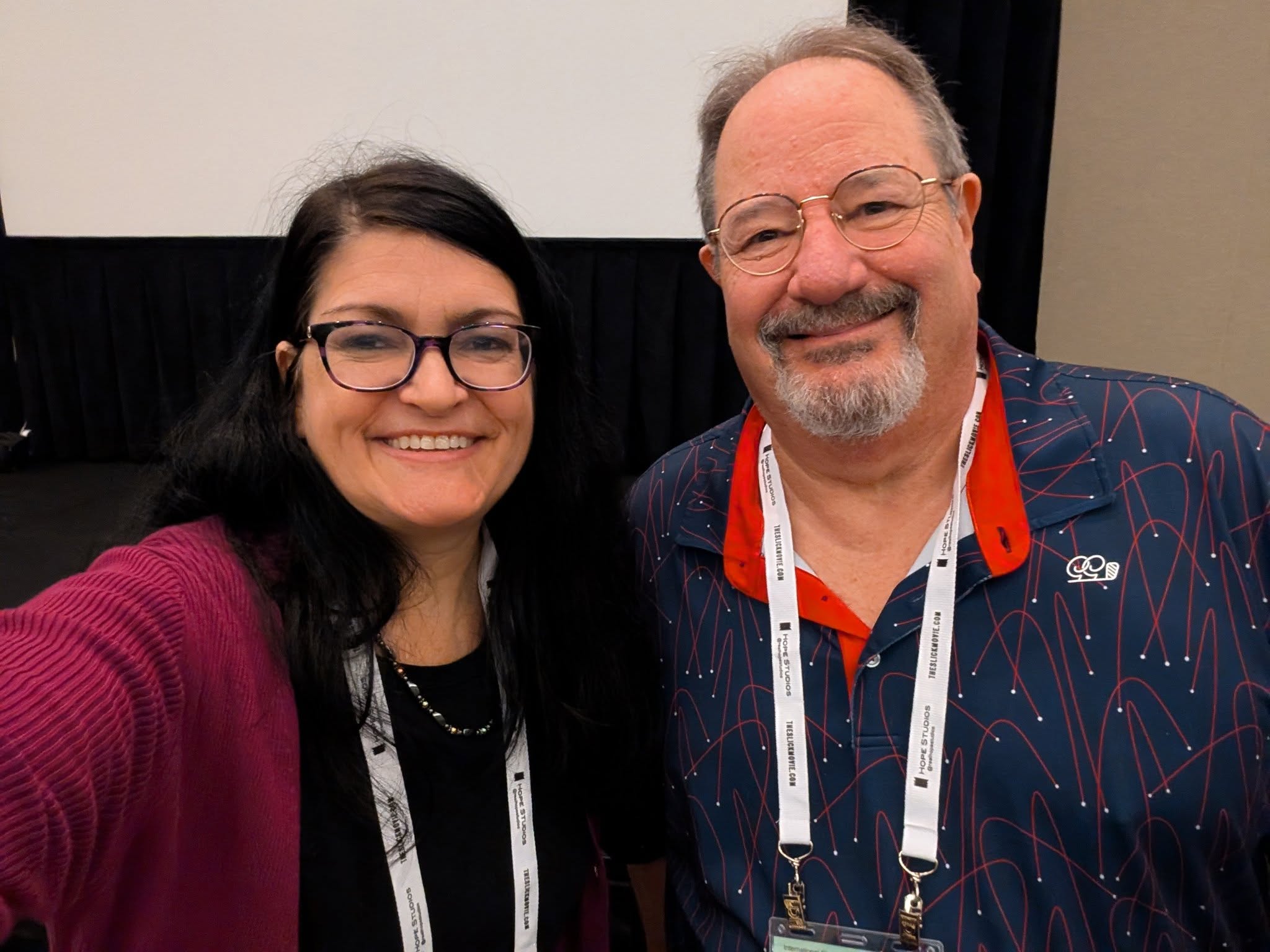
Cheryl & Bob at ICVM / Orlando Oct. 2025 (co-teaching a class on pitching scripts)

It’s been such an honor to serve with screenwriter, Bob Saenz, on a variety of screenwriting panels and speaking together at conferences. By far, the most fun was co-teaching about how to pitch scripts to producers. Bob is not only a talented writer, but a great friend. A champion of fellow writers. There is not a phone call I ever end with Bob where I’m not left super encouraged about what’s next. I hope you enjoy this conversation with a very experienced screenwriter.

What is your favorite script that has been produced and why?

Can I have a couple? Help for the Holidays will always have a special place in my heart. My first produced film, almost word-for-word what I wrote. Summer Glau in her only Hallmark film ever (she said in an interview the only reason she did it was the script, yay!). It was a huge ratings success for Hallmark. The start of a 10 film run for me with them.

I also love Christmas Yule Blog… a film I wrote for Lifetime that celebrated my Cuban roots. It’s different. Set in New Mexico, no snow, and the use of all of the things I experienced as a child with my Grandmother at Christmas to make it real. Again, everything on screen almost exactly as I wrote it. That doesn’t happen a lot to any writer. Some films more than others and some–not anything you wrote. But that’s another topic.

#3. I’m grateful for Extracurricular Activities, a script I wrote that got my writing and voice noticed, that opened every door in Hollywood. It’s the Anti-Hallmark script that got me my first job a Hallmark. Then it got made, 18 years and 8 options later, including a studio. It made a couple of 10 Best Films of 2019 lists by some pretty good critics. And it’s turned out to be a cult film now.

Truth? I really like 19 out of the 21 films I’ve got my name on as writer. No, I’m not telling you the two I dislike.

What is your approach to taking notes from producers and networks? And what do you do when you know a note is “off” or will potentially impact the story in the wrong direction, but you still have to address it?

Notes are inevitable if your script is in development or production. You’re going to get them. And as more people are involved or like the project and want their stamp on it, the notes will vary, sometime even being at odds with each other. How you react to them will be the difference if you stick to the project or are cut loose and replaced.

I happen to love notes. Most of the producers and directors I’ve worked with are good at what they do and most of the notes I get actually make the script better. I’m always grateful for good notes. I make it a point to thank people for their good notes.

Do I get notes I disagree with? Absolutely. How do I deal with those? Story logic. The worst thing any writer can do when they get what they think is a note that doesn’t make story sense, and it’s ALL about story, is to let their ego or emotions control their reaction to it. That’s writer suicide with producers. You might as well fire yourself. But if you deal with those notes by using the logic you’ve used to build your story, your knowledge of character and plot and how interrelated everything in your story is and how a particular note would disrupt the story to the point that an audience wouldn’t believe it anymore… or it would change the story they wanted, you can often persuade them to forget that note.

If they still want a note you know will not improve your story, you use your creativity to integrate it in the least harmful way possible and still satisfy the note giver. It’s a tightrope. Your complete knowledge of your story and of what your characters will or won’t do by the way you’ve defined them in your story will make these kinds of notes easier to deflect. The more experience you have, the simpler this is to navigate.

It always comes down to the Golden Rule. Them with the Gold makes the rules. Screenwriting at this level is a job and your job is to integrate notes. You get to be creative, you get to give them your point of view on each note (notice I didn’t use the word “argue”), but you still have to do it.

Writers have to get creative to make our living as writers and think outside of the box. What is your advice for film and TV screenwriters to do for work during those in-between times?  What kinds of jobs can they seek that are still writing even if not for feature films and TV shows?

I can only speak from my experience. I wrote two books. One is a non-fiction book about the business of screenwriting based on my experience, That’s Not the Way It Works, and I wrote a novel that’s done pretty well. It’s not a lot of income, but it comes monthly.

I’ve also written instructional videos, corporate videos, articles for Script Magazine, for Pipeline Artists, for Blogs, and Writer Websites. This all depends on where you are on the experience list. But places like LinkedIn and others are good places to look for these kinds of opportunities. Right now, companies are out there looking for writers for Vertical Videos. It’s not very good pay, but it’s a stepping stone. You have to be proactive. Work never arrives at your door, you need to endlessly seek it.

How much plotting do you do in advance of starting a writing job? What are some of your go-to techniques?  (I’ve seen your yellow legal pad comments and photos on social media. What’s that about?)

Ok. I’m going to get this out of the way. I’m a pantser. I do not outline. I do not write a treatment. I do hand write character and story notes on yellow legal pads before I start. I always know my story idea, basic characters I’ll need (I come up with others as I write), and I know the ENDING. The unchanging ending. So I have a path to put my protagonist on. Nobody’s getting lost in the weeds because I have no specific place for them to get to.

Then I spend days writing it in my head. Yep. I’ll use the legal pads to jot down cool two or three word stuff I’ll use at some point or a set-up and pay-off, but I discover a lot of those, too, as I write. I also rewrite as I write. It takes a little longer, but I end up with a first draft that looks like a third one. I don’t believe in the vomit draft because I don’t want anything I’ve written to have the word vomit attached to it.

Do I recommend this way of approaching the writing of a script to others? No.

If you ask 100 writers what they do to prepare to write a script, you’ll get 100 different answers. My advice? Try it all. Outlines, Treatments, Note Cards, Bullet Points… try it all. See what works for you. I tried them all and by page 11 was so far away from what I planned I stopped using them. That’s me. Not you. It works for me. You need to find what works for you.

What would you tell your younger, aspiring writer self, when you were just starting out, that you wish you’d known from the beginning?

You have an hour? How hard it was going to be. How much craft there is to learn to do this well. How much marketing you have to do after your script is ready to be seen. How long it takes to get your first produced film. These are things everyone starting out needs to know.

But I’m happy that I went ahead without knowing people said you need to stay in a lane, get known for writing one genre. I didn’t know that so I wrote in a ton of different genres and was successful at it. I’ve never stayed in any lane and it’s not only been creatively a blast, but opened me up to all kinds of jobs in all kinds of genres.

Right now, I’m actively working with producers on a couple of Christmas Rom/Coms, a Horror film, a Children’s Animated Series, a big Animated Musical Adventure, and a dramatic anthology series.

It’s not a lane, it’s a freeway, and I’m happy to be on it.

Wow. That is worth repeating. It’s not a lane; it’s a Freeway. So great, Bob. Any adds?

I always have to bit of advice for writers.

One: Don’t be boring. Look at every story you want to write at the oddest angles you can. Be original. Don’t follow trends, set them.

Two: Don’t give up. There are going to be dark times as you try to do this and you’ll want to give up. People will tell you to give up. If you really want this, you won’t listen to them or yourself and you’ll plow forward. Nobody who gave up ever went on to success. It can be done. If I did it, anyone can. Honest.

Thank you so much for joining us for this insightful Q&A Bob.

What are websites or links to follow you?

I’m on X and Instagram as @BobSnz

And on Facebook as Bob Saenz
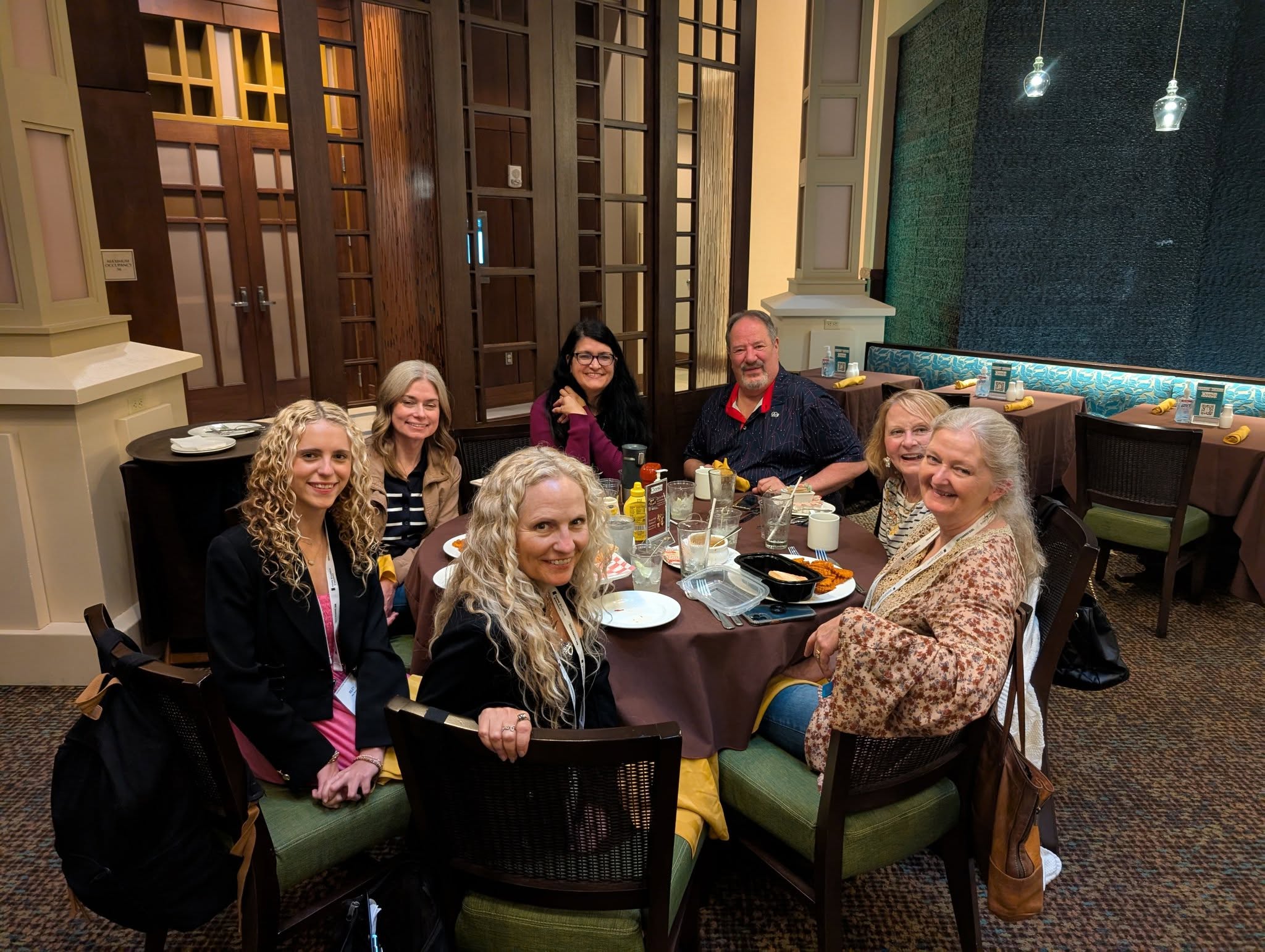
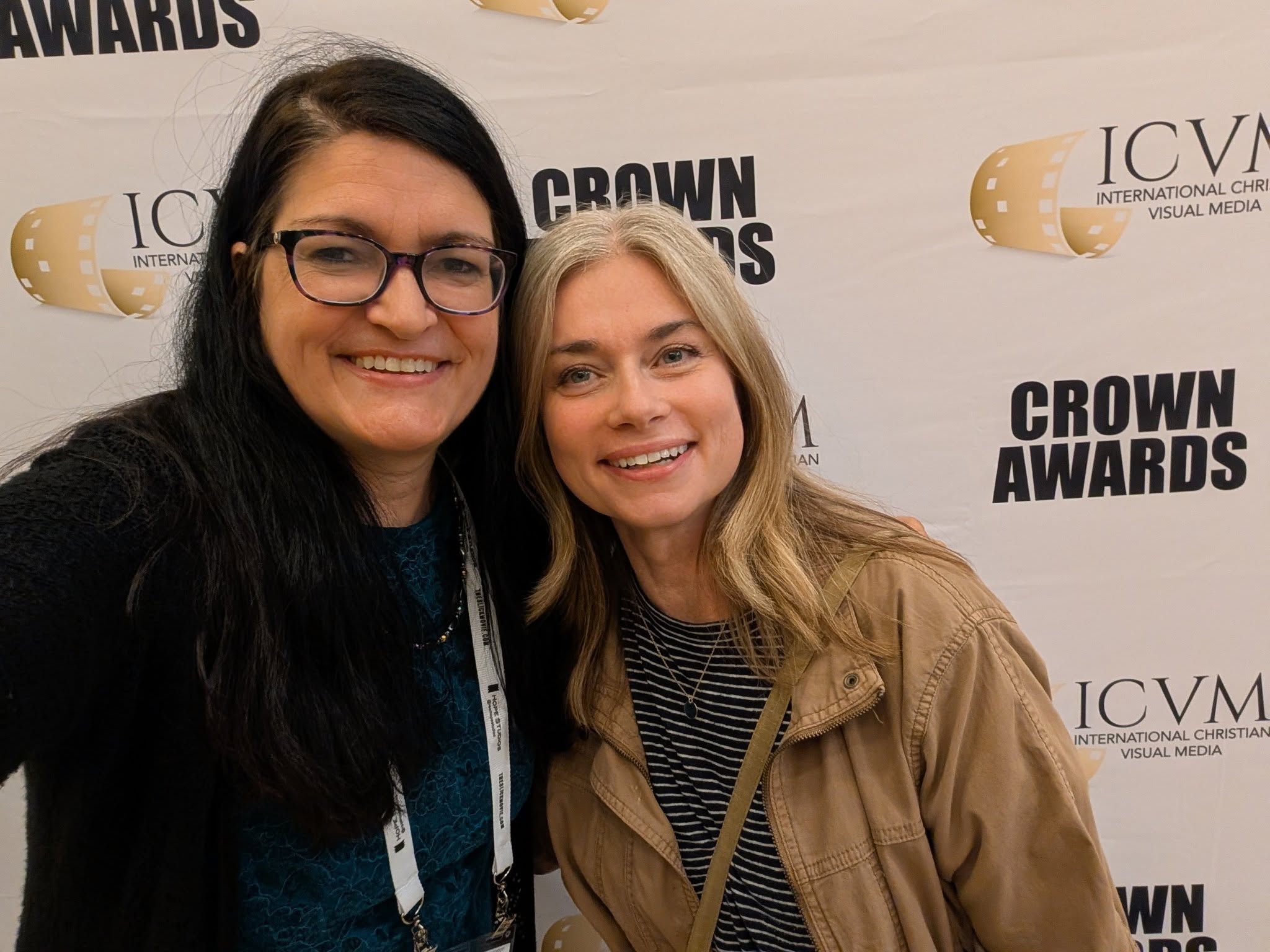
PHOTO 1: ICVM October 2025, Cheryl with Bob, his wife, Margie, writer, Heather Blanton, Actresses Denise Gossett & Riley Beeson, and writer, Rene Gutteridge.

PHOTO 2: ICVM Cheryl with Rene Gutteridge

For further deep dives into the process of other professional writers pictured here, check out my other writer Q&A blogs with Heather Blanton and Rene Gutteridge.
An Interview with screenwriter/novelist: Rene Gutteridge

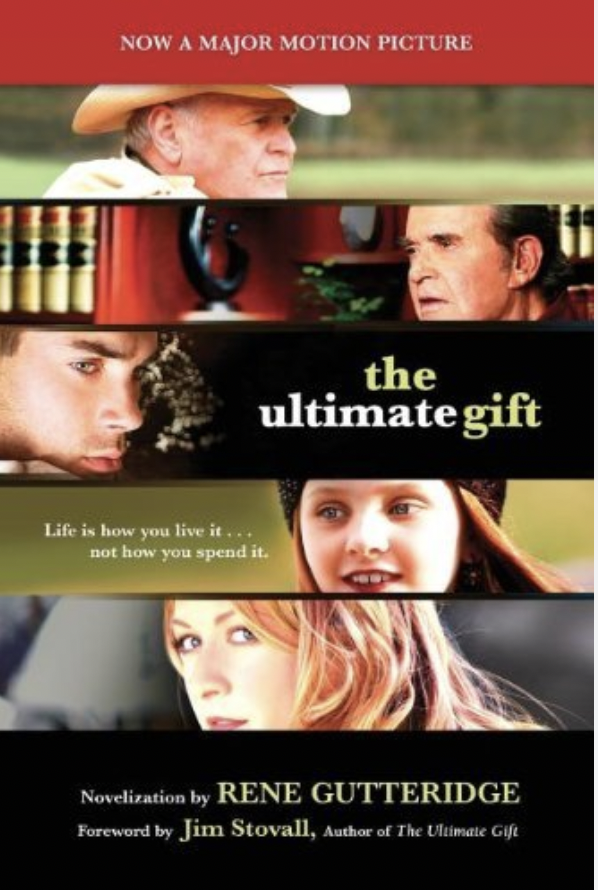
I first met Rene Gutteridge after she adapted my film, The Ultimate Gift, into a novelization.

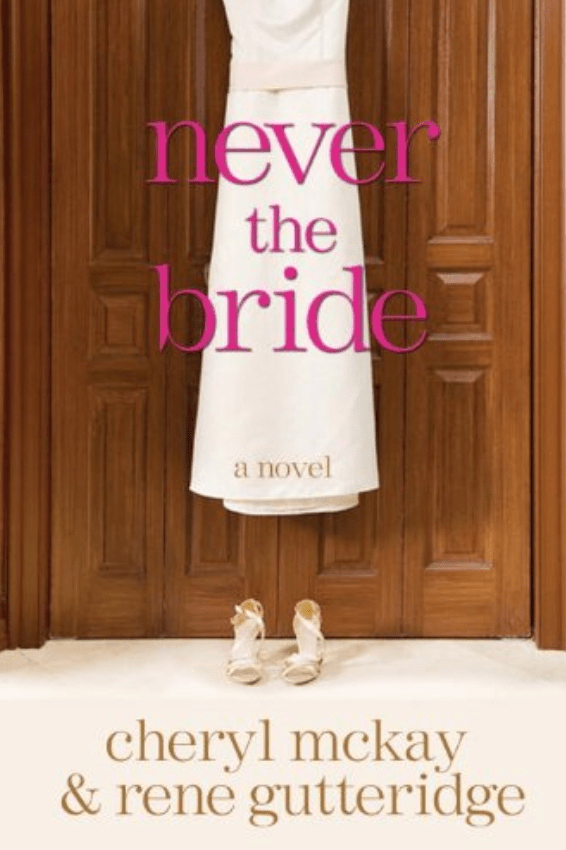
Even though the film was already a book adaptation based on the book by Jim Stovall, when I wrote the screenplay, there were enough differences that Thomas Nelson Publishers partnered with Rene and our production team to craft a new book as a movie tie-in. I didn’t meet Rene or even talk to her during that process at all. Instead we got to know each other from a distance, shortly before when we sold the story of my screenplay, Never the Bride, to RandomHouse for Rene to adapt into a novel.

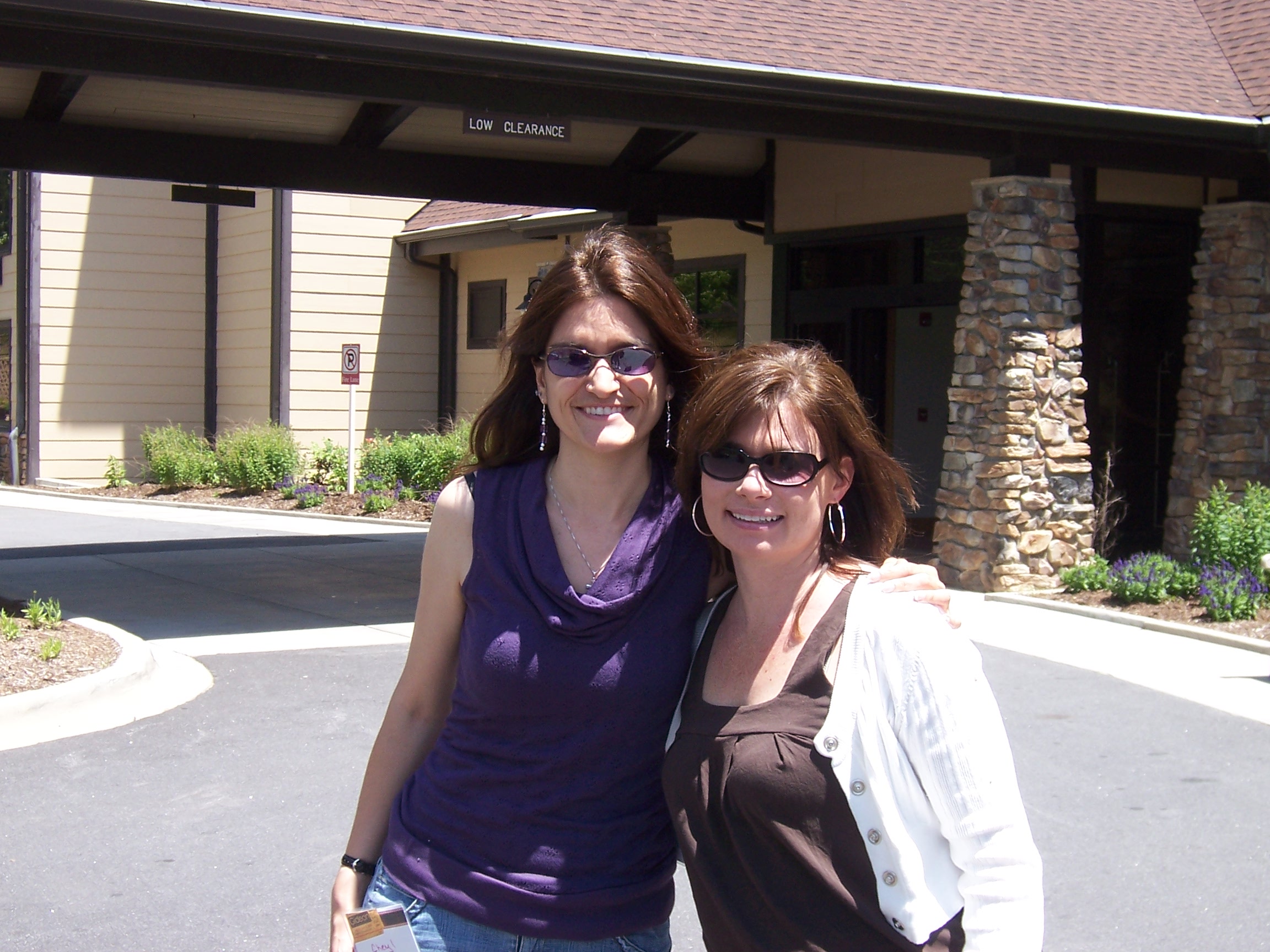
It was such a treat to meet her in person for the first time, the week the book released, at the Gideon Film Conference. (Yes, this was 2009 so we were a bit younger back then.)

Rene has been a tremendous friend and collaborator since that time. We’ve been involved in six projects together now and hopefully more to come in the future.

She’s one of the most versatile writers I know. She embodies creative range, generosity with collaboration, and spiritual depth. With a career that spans well over two decades, Rene has penned more than 25 novels, adapted screenplays, written original scripts for film and television, and crafted poignant short films that pack an emotional punch. She’s one of those rare storytellers who can move effortlessly between the page and the screen — and do it all with heart, humor, and purpose.

Rene’s indie film SKID earned Best Oklahoma Feature at the deadCenter Film Festival in 2015, and her novel My Life as a Doormat was adapted into the Hallmark movie Love’s Complicated. She co-wrote the feature film Family Camp, which went on to win the Movieguide Award for Most Inspirational Independent Movie and was nominated for a Dove Award in 2023. Additionally, she has been named a Screencraft finalist in the true crime category and holds an Excellence in Mass Communication award from Oklahoma City University.

She also recently collaborated with my friend, Bridgette Cameron Ridenour, on her award-winning autobiography, Overlooked.

Whether Rene is diving into suspense, comedy, heartfelt drama and even nonfiction, she writes with a redemptive thread that reflects her faith and compassion — without ever sacrificing great storytelling.

In this Q&A, Rene shares insights into her creative process, the joys and pitfalls of collaboration, and what she’d tell her younger writer self if she had the chance.

Rene Gutteridge Q&A:

1. You’ve successfully navigated both the novel and screenwriting worlds — how does your creative process shift when writing for a reader’s imagination versus a director’s lens?

The shift really comes in the second part of the process. The first part is always the same approach to the story—the big picture questions that revolve around character first, then plot, then value and strength of the story itself.  Next, I evaluate it on whether it can and should be told visually, or conversely, whether it’s able to be told internally. For instance, I wouldn’t try to write an action story in novel form without a great, meaty character because I may not have enough of an internal story to play with that would balance the action.

So, the shift comes after I find the value in and scope of the story. Once I land on what form it should be told in, I then must really shift the gears in my brain. It’s a much harder shift for me toward visual—it really takes a very intentional focus because my brain goes to the internal story first. That’s my natural bent.

2. You’ve written original screenplays, short scripts, and novels— which of those formats has taught you the most about character development, and why?

Novels have taught me the most about character development simply because of the depth you are allowed to plumb, which is nearly infinite. However, screenplays have taught me the most about quick, deliberate and intentional character development. Novels can feel like the lazy river while screenplays are like the whitewater rapids. Both get you there but it’s totally different experiences. And there probably isn’t a starker difference between screenwriting and novel writing than in the area of character development. The result is the same (the arc), but how you get there is very different.

3. As someone who’s collaborated on both novels and scripts, what’s one unexpected benefit of writing with a partner—and what’s one pitfall writers don’t see coming?

I’m an enormous fan of collaboration. However, that wasn’t always the case. Novelists are creatures of solitude. We don’t play nice and we don’t want people in our stories. My first collaborative experience came through editors. They’re like thieves in the night, except they bring you treasure rather than take it. They never get credit, but a good editor will enhance a book through a collaborative effort, and they’re masters at it.

The unexpected benefit of writing with a partner is that you get both edges of the sword—pushed to do better and praised when you’ve done well. Both are necessary and work your soul through a process that has wonderful benefits for a long time.

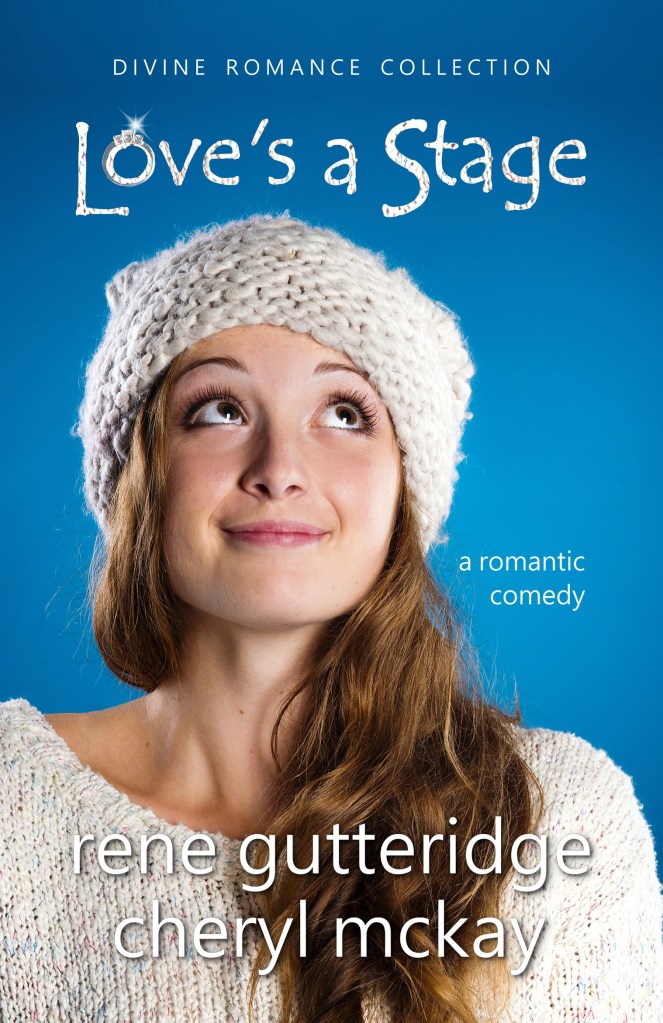
My first collaboration in fiction (which is highly unusual), was with you, Cheryl. when I novelized your screenplay Never the Bride. One of the reasons that worked so well was that although you had the clear vision for the script, you were smart enough to recognize that the novel had to be approached differently. Screenwriters, by the way, are far more flexible and easier to work with than novelists. I’d pick a screenwriter over a novelist any day of the week. Our formula, so to speak, was that you laid the groundwork for the story and I executed it in novel form. That process worked for all our collaborative fiction efforts, (including Greetings from the Flipside, Love’s a Stage and O Little Town of Bethany) as well as other novelizations I’ve done over the years.)

The only fiction collaborations I’ve done have been novelizations with the formula I spoke of. One of the reasons for that is that novels require a very deep internal dive into a character, and it’s difficult to split that between two minds and two souls. I know writers who have done it, and I’d be curious to know how they pulled it off. My suspicion is that one handles the story idea and the other handles the execution of it, but I’m sure there are exceptions to that rule.

Pitfalls in collaboration with screenwriting normally come through personality differences more than vision differences. When two personalities click, they can usually work their different visions into something beautiful. So I recommend working with people who you may not see eye-to-eye with, but you’ll go to dinner with afterward just for their company. The beautiful thing about collaboration is that two visions become one. Or in the case of film, a dozen visions.

4. Your stories often carry strong themes of redemption, hope, and faith — how do you balance delivering meaningful messages without becoming ‘message-driven’ at the expense of story?

I view theme like I view a score in a movie—you shouldn’t notice it during the movie but you’ll go buy the music afterward. Theme is something you walk away with but don’t notice while it’s happening. And I even dislike the word “message” because it makes me think of Sunday morning church. I’m a fan of those messages, but when I’m inside a story, I want to lose myself there. If your theme is strong, you’ll never have to mention it to the reader or viewer. It will sort of bleed out of the pores of the story. In my view, if you have to mention it, then you haven’t done your job inside the story.

That said, in the faith genre and market, it is often expected and even required by producers and studios to state the theme explicitly. When that’s the case, I work to make the producers happy but challenge myself to thread it as organically as possible.

Another reason that I try so hard to limit the amount of “messaging” I do is because I believe people find their own themes in stories. I’m always amazed at the various themes people find in my stories that I did not put in there!

There is a beautiful and special space between a writer and reader or viewer. We both arrive at this moment bringing two different things, but only one of us leaves with something. Writers are givers. Readers and viewers leave with a gift because at the end of the day it’s what they experience in the story that turns out to be their gift.

So, drilling a message into a story can really limit the gift of theme that emerges in the reader or viewer experience.

5. If you could go back and whisper one piece of career advice to your younger writer self—before your first published book or your first script sale—what would it be?

That’s an easy one. “Calm down.” I was an anxious young writer, and it didn’t add a year to my life—it probably subtracted a few!

* * *

Thank you so much, Rene, for taking the time to talk with us today about your writing craft. So many gems to take away.

If you would like to book Rene for a professional consultation on your work, you can visit her booking site. She offers a variety of helpful services to writers.

Catch Rene and Cheryl as we teach writing together October 2025 at the ICVM Storytellers Conference in Orlando, FL. Rene & Cheryl will give a workshop on: Adapting your Screenplay into a Novel. Rene will also give a separate workshop on Make Me Care: Designing An Act One that Makes Your Story Matter. Cheryl will also join award winning writer, Bob Saenz, for a class on Effective Pitching just in time for ICVM’s Pitch-a-Thon where writers get the chance to pitch projects to production companies. Bob will also teach a separate workshop on Writing to Budget. For more information about ICVM’s Storyteller’s Conference, visit their website.

Collaborations between Rene & Cheryl:

Cheryl & Rene also have a class on UDEMY teaching on writing Novelizations. You can sign up for it here:

NOVELIZATIONS: HOW TO ADAPT SCRIPTS INTO NOVELS CLASS ON UDEMY

Thanks for joining us today for my conversation with Rene Gutteridge. You can subscribe to Rene’s newsletter on her official website. Click here to visit her Amazon Author Central Page to see more of her work.

(Cheryl & Rene, moments after we’d met the first time at the Gideon Conference at the Lifeway Christian Conference Center in Asheville, NC, in June 2009.)