Since I started this blog over a decade ago, some of you have signed up for updates by email or through the WordPress subscribe button. I would so appreciate it if you would shift over to subscribing to my brand new mailing list.
I have Two Freebie Options for you, when you sign up.
One related to POTTER KNOWS BEST, the other related to training videos on writing. Choose the one below that interests you most when you sign up:
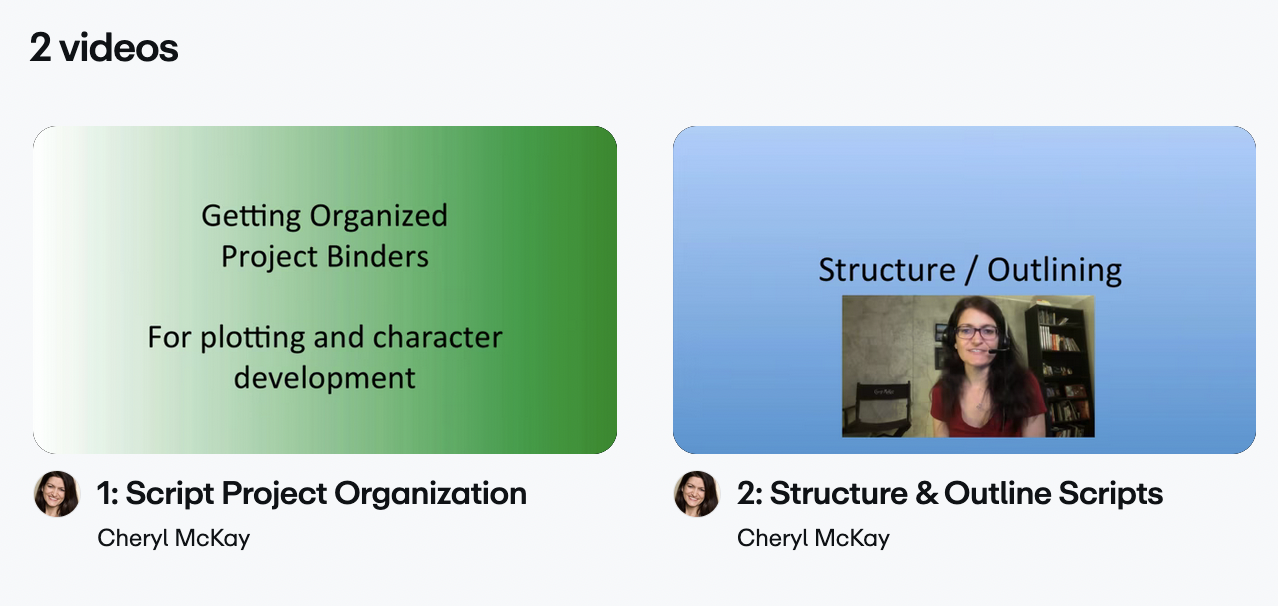
To Sign Up for 2 Free Writing Training Videos on Plotting and Organizing Script Projects, use this link or click on the graphic below:
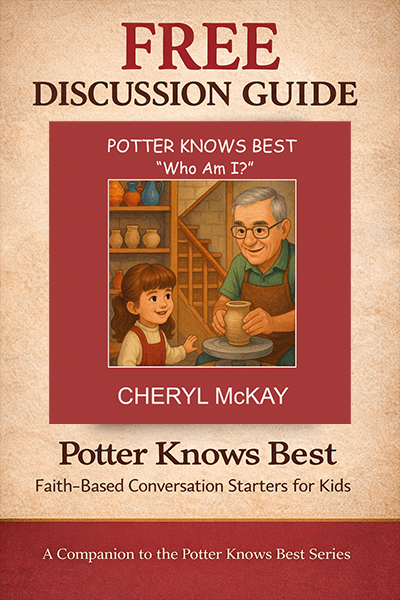
For a FREE Discussion Guide and FREE Printable Coloring Pages for Kids for the POTTER KNOWS BEST book series, please click here or click on the graphic below.
I will also send periodic updates about my books, films, TV series, and writing tips.
For those of you with an email like gmail, your freebie Welcome email with links will likely land in your Promotions folder. Please drag this over to your Inbox after arrival if you want to be sure my future emails go to your Inbox as well.
You can unsubscribe anytime, if it’s not for you. Most of the time I enjoy writing scripts and books, far and above newsletters. So I won’t be one of those every day newsletter senders.
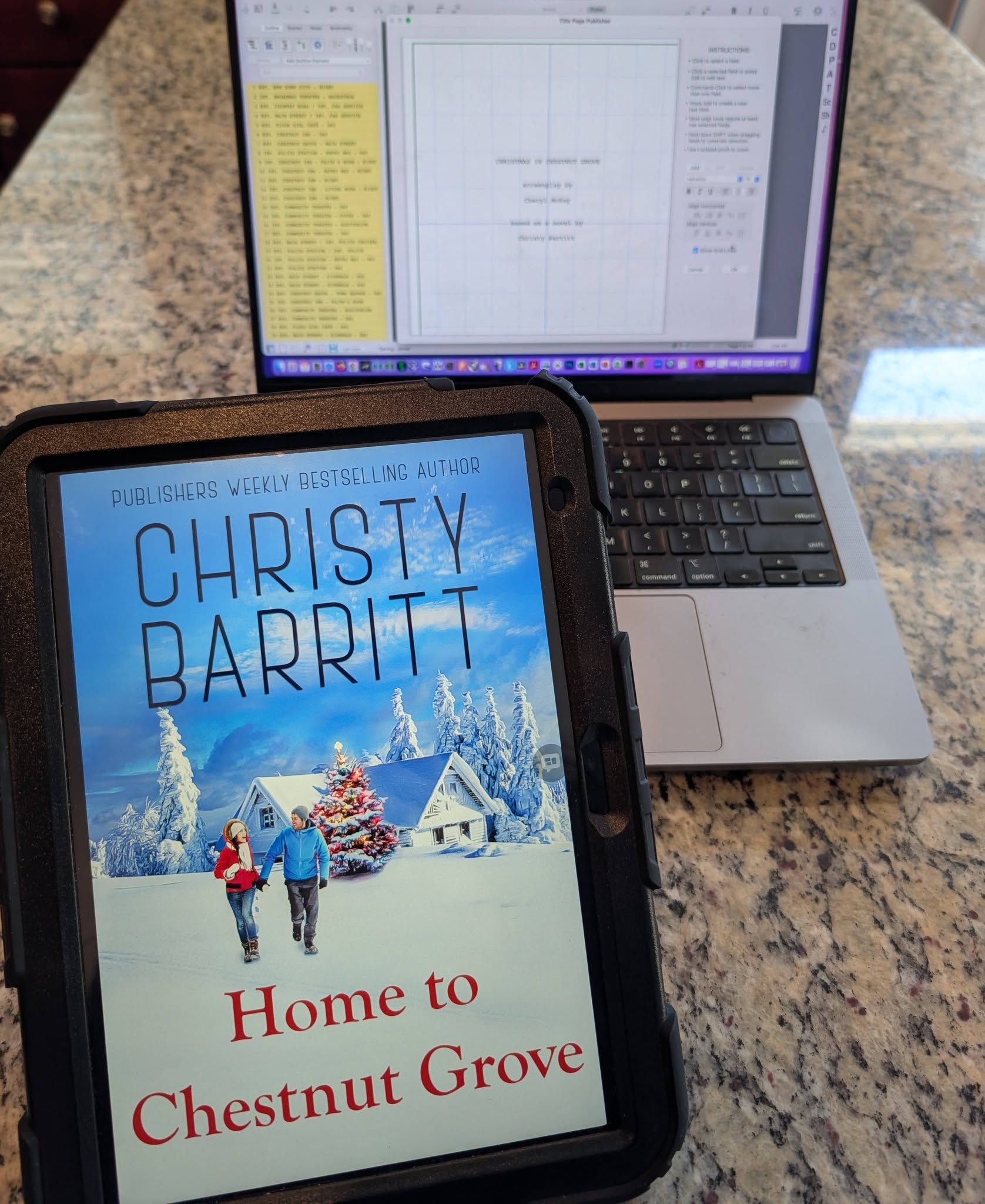
And speaking of writing scripts, I had a fantastic time this past month adapting one of my favorite author’s novels into a screenplay. It was Christy Barritt’s novel, Home to Chestnut Grove, now titled Christmas in Chestnut Grove.
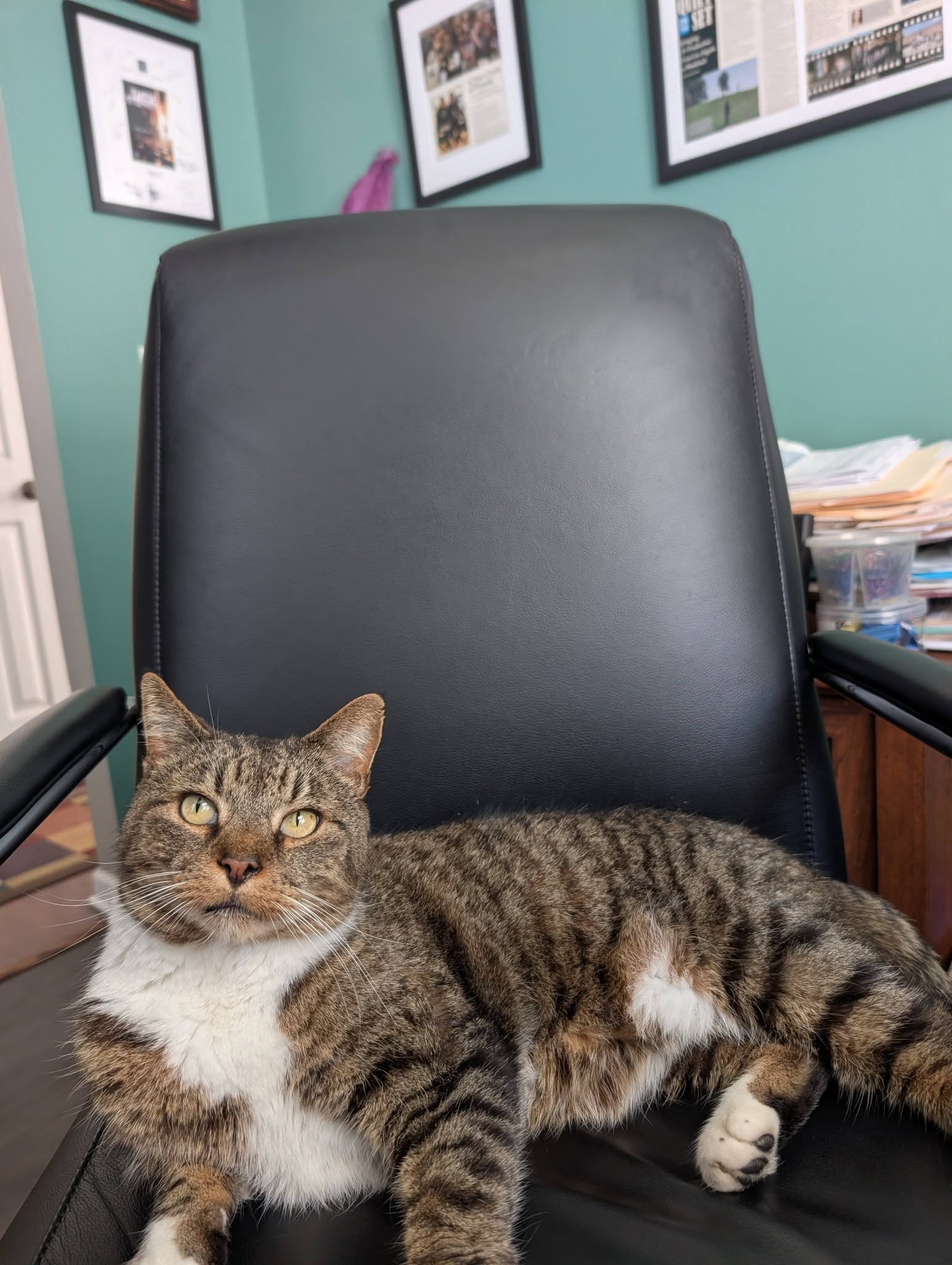
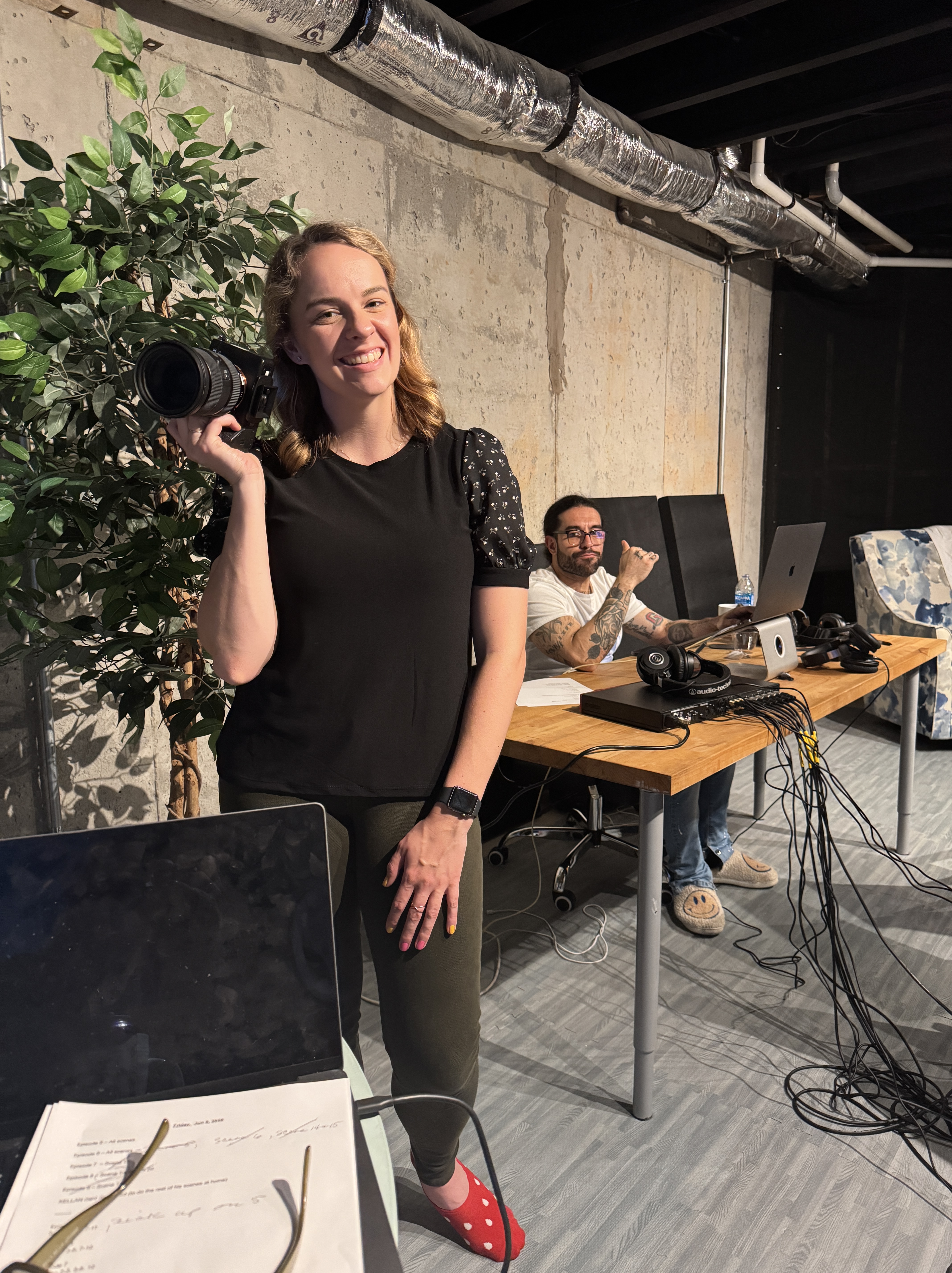
Even Socks helped–or interrupted–a lot! Depending on how you look at it.
The novel story is so charming! I also had a blast imagining quite a few of my favorite actors, many of whom I’m worked with, in the roles. Sometimes that helps my writing come to life. Their unique voices chattering away.
For those of you who are writers: Do you also do that when you draft a screenplay?
Drop me a note or a blog comment when you get a chance.
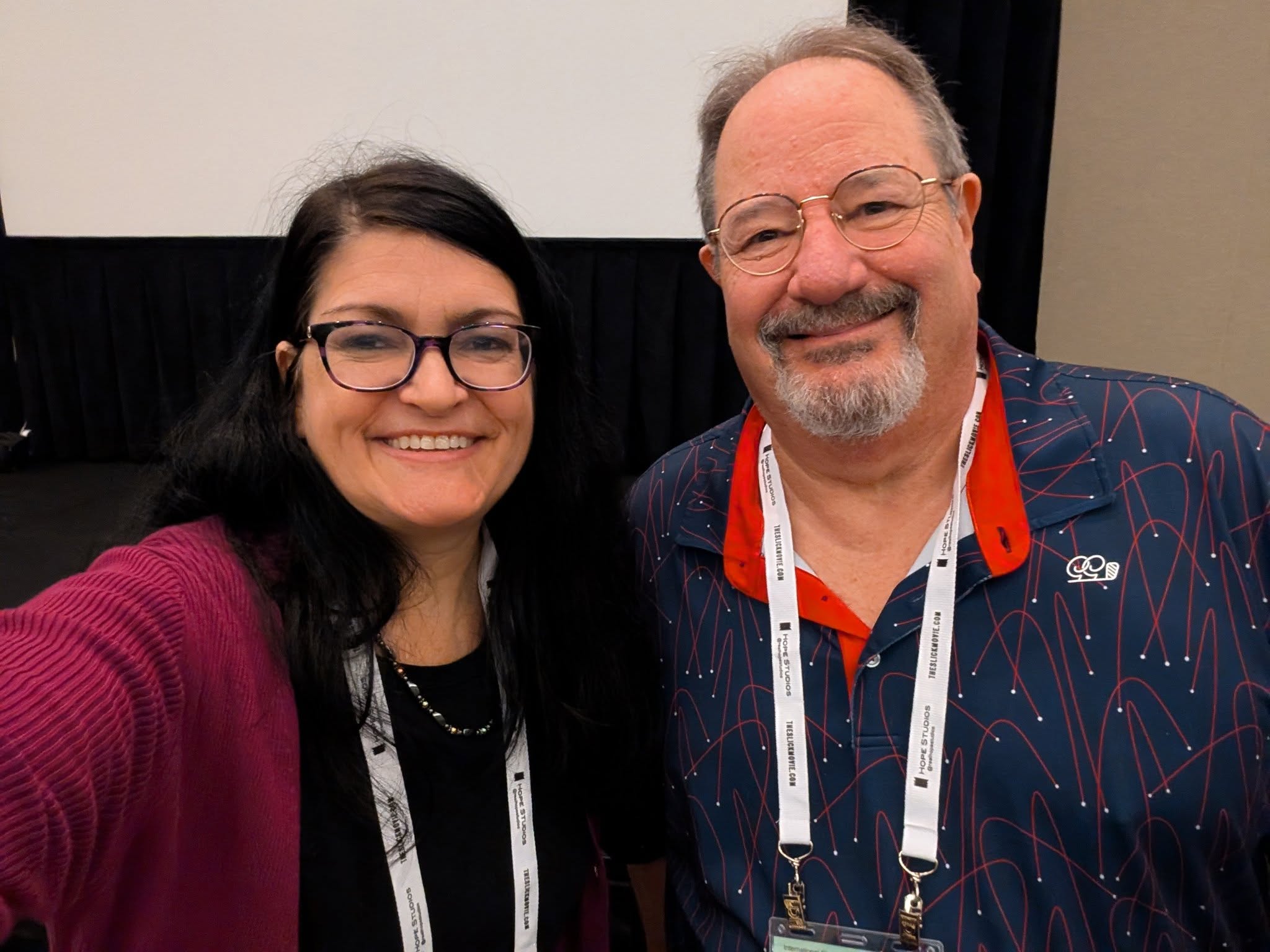
Cheryl & Bob at ICVM / Orlando Oct. 2025 (co-teaching a class on pitching scripts)
It’s been such an honor to serve with screenwriter, Bob Saenz, on a variety of screenwriting panels and speaking together at conferences. By far, the most fun was co-teaching about how to pitch scripts to producers. Bob is not only a talented writer, but a great friend. A champion of fellow writers. There is not a phone call I ever end with Bob where I’m not left super encouraged about what’s next. I hope you enjoy this conversation with a very experienced screenwriter.
What is your favorite script that has been produced and why?
Can I have a couple? Help for the Holidays will always have a special place in my heart. My first produced film, almost word-for-word what I wrote. Summer Glau in her only Hallmark film ever (she said in an interview the only reason she did it was the script, yay!). It was a huge ratings success for Hallmark. The start of a 10 film run for me with them.
I also love Christmas Yule Blog… a film I wrote for Lifetime that celebrated my Cuban roots. It’s different. Set in New Mexico, no snow, and the use of all of the things I experienced as a child with my Grandmother at Christmas to make it real. Again, everything on screen almost exactly as I wrote it. That doesn’t happen a lot to any writer. Some films more than others and some–not anything you wrote. But that’s another topic.
#3. I’m grateful for Extracurricular Activities, a script I wrote that got my writing and voice noticed, that opened every door in Hollywood. It’s the Anti-Hallmark script that got me my first job a Hallmark. Then it got made, 18 years and 8 options later, including a studio. It made a couple of 10 Best Films of 2019 lists by some pretty good critics. And it’s turned out to be a cult film now.
Truth? I really like 19 out of the 21 films I’ve got my name on as writer. No, I’m not telling you the two I dislike.
What is your approach to taking notes from producers and networks? And what do you do when you know a note is “off” or will potentially impact the story in the wrong direction, but you still have to address it?
Notes are inevitable if your script is in development or production. You’re going to get them. And as more people are involved or like the project and want their stamp on it, the notes will vary, sometime even being at odds with each other. How you react to them will be the difference if you stick to the project or are cut loose and replaced.
I happen to love notes. Most of the producers and directors I’ve worked with are good at what they do and most of the notes I get actually make the script better. I’m always grateful for good notes. I make it a point to thank people for their good notes.
Do I get notes I disagree with? Absolutely. How do I deal with those? Story logic. The worst thing any writer can do when they get what they think is a note that doesn’t make story sense, and it’s ALL about story, is to let their ego or emotions control their reaction to it. That’s writer suicide with producers. You might as well fire yourself. But if you deal with those notes by using the logic you’ve used to build your story, your knowledge of character and plot and how interrelated everything in your story is and how a particular note would disrupt the story to the point that an audience wouldn’t believe it anymore… or it would change the story they wanted, you can often persuade them to forget that note.
If they still want a note you know will not improve your story, you use your creativity to integrate it in the least harmful way possible and still satisfy the note giver. It’s a tightrope. Your complete knowledge of your story and of what your characters will or won’t do by the way you’ve defined them in your story will make these kinds of notes easier to deflect. The more experience you have, the simpler this is to navigate.
It always comes down to the Golden Rule. Them with the Gold makes the rules. Screenwriting at this level is a job and your job is to integrate notes. You get to be creative, you get to give them your point of view on each note (notice I didn’t use the word “argue”), but you still have to do it.
Writers have to get creative to make our living as writers and think outside of the box. What is your advice for film and TV screenwriters to do for work during those in-between times? What kinds of jobs can they seek that are still writing even if not for feature films and TV shows?
I can only speak from my experience. I wrote two books. One is a non-fiction book about the business of screenwriting based on my experience, That’s Not the Way It Works, and I wrote a novel that’s done pretty well. It’s not a lot of income, but it comes monthly.
I’ve also written instructional videos, corporate videos, articles for Script Magazine, for Pipeline Artists, for Blogs, and Writer Websites. This all depends on where you are on the experience list. But places like LinkedIn and others are good places to look for these kinds of opportunities. Right now, companies are out there looking for writers for Vertical Videos. It’s not very good pay, but it’s a stepping stone. You have to be proactive. Work never arrives at your door, you need to endlessly seek it.
How much plotting do you do in advance of starting a writing job? What are some of your go-to techniques? (I’ve seen your yellow legal pad comments and photos on social media. What’s that about?)
Ok. I’m going to get this out of the way. I’m a pantser. I do not outline. I do not write a treatment. I do hand write character and story notes on yellow legal pads before I start. I always know my story idea, basic characters I’ll need (I come up with others as I write), and I know the ENDING. The unchanging ending. So I have a path to put my protagonist on. Nobody’s getting lost in the weeds because I have no specific place for them to get to.
Then I spend days writing it in my head. Yep. I’ll use the legal pads to jot down cool two or three word stuff I’ll use at some point or a set-up and pay-off, but I discover a lot of those, too, as I write. I also rewrite as I write. It takes a little longer, but I end up with a first draft that looks like a third one. I don’t believe in the vomit draft because I don’t want anything I’ve written to have the word vomit attached to it.
Do I recommend this way of approaching the writing of a script to others? No.
If you ask 100 writers what they do to prepare to write a script, you’ll get 100 different answers. My advice? Try it all. Outlines, Treatments, Note Cards, Bullet Points… try it all. See what works for you. I tried them all and by page 11 was so far away from what I planned I stopped using them. That’s me. Not you. It works for me. You need to find what works for you.
What would you tell your younger, aspiring writer self, when you were just starting out, that you wish you’d known from the beginning?
You have an hour? How hard it was going to be. How much craft there is to learn to do this well. How much marketing you have to do after your script is ready to be seen. How long it takes to get your first produced film. These are things everyone starting out needs to know.
But I’m happy that I went ahead without knowing people said you need to stay in a lane, get known for writing one genre. I didn’t know that so I wrote in a ton of different genres and was successful at it. I’ve never stayed in any lane and it’s not only been creatively a blast, but opened me up to all kinds of jobs in all kinds of genres.
Right now, I’m actively working with producers on a couple of Christmas Rom/Coms, a Horror film, a Children’s Animated Series, a big Animated Musical Adventure, and a dramatic anthology series.
It’s not a lane, it’s a freeway, and I’m happy to be on it.
Wow. That is worth repeating. It’s not a lane; it’s a Freeway. So great, Bob. Any adds?
I always have to bit of advice for writers.
One: Don’t be boring. Look at every story you want to write at the oddest angles you can. Be original. Don’t follow trends, set them.
Two: Don’t give up. There are going to be dark times as you try to do this and you’ll want to give up. People will tell you to give up. If you really want this, you won’t listen to them or yourself and you’ll plow forward. Nobody who gave up ever went on to success. It can be done. If I did it, anyone can. Honest.
Thank you so much for joining us for this insightful Q&A Bob.
What are websites or links to follow you?
I’m on X and Instagram as @BobSnz
And on Facebook as Bob Saenz
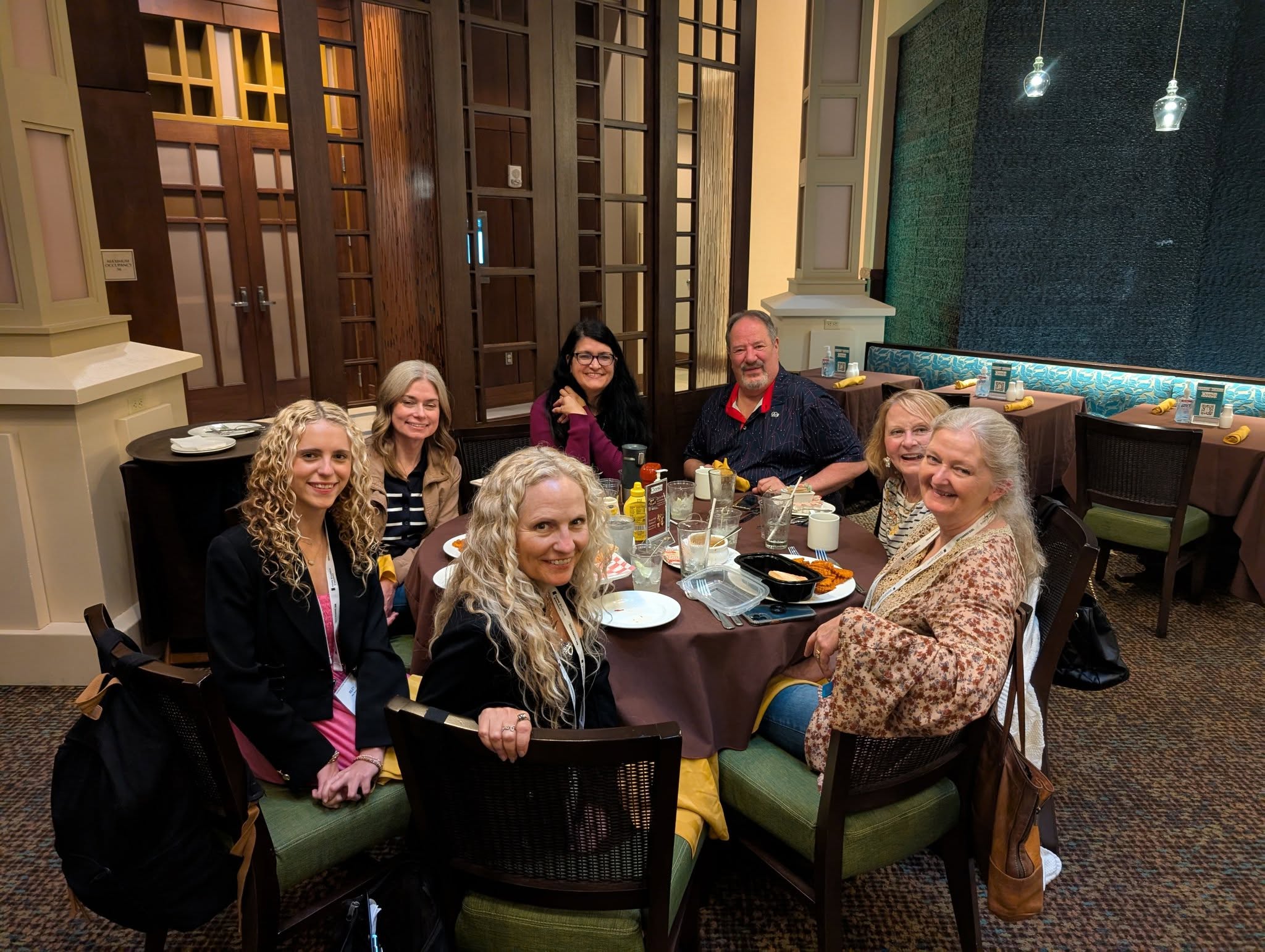
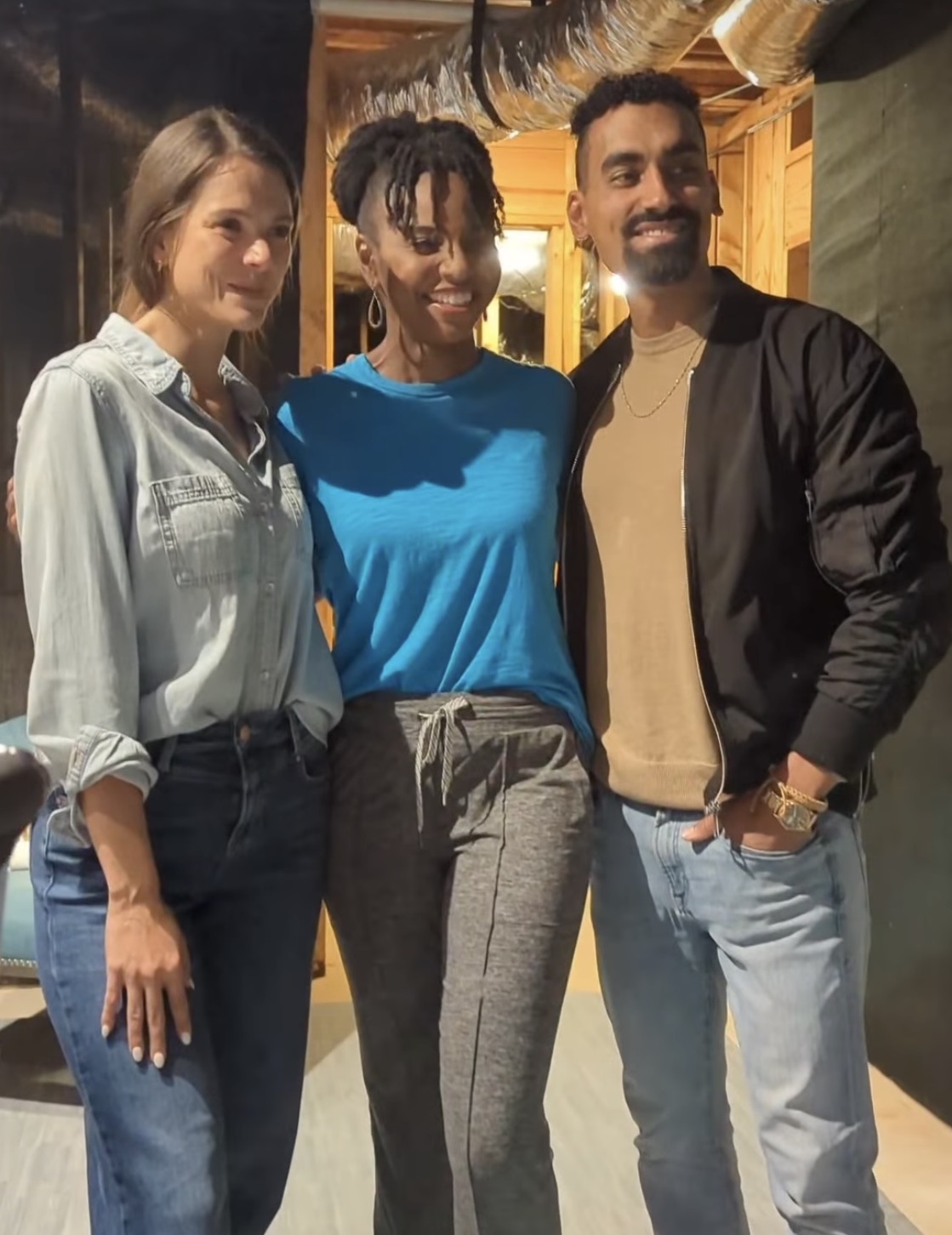
PHOTO 1: ICVM October 2025, Cheryl with Bob, his wife, Margie, writer, Heather Blanton, Actresses Denise Gossett & Riley Beeson, and writer, Rene Gutteridge.
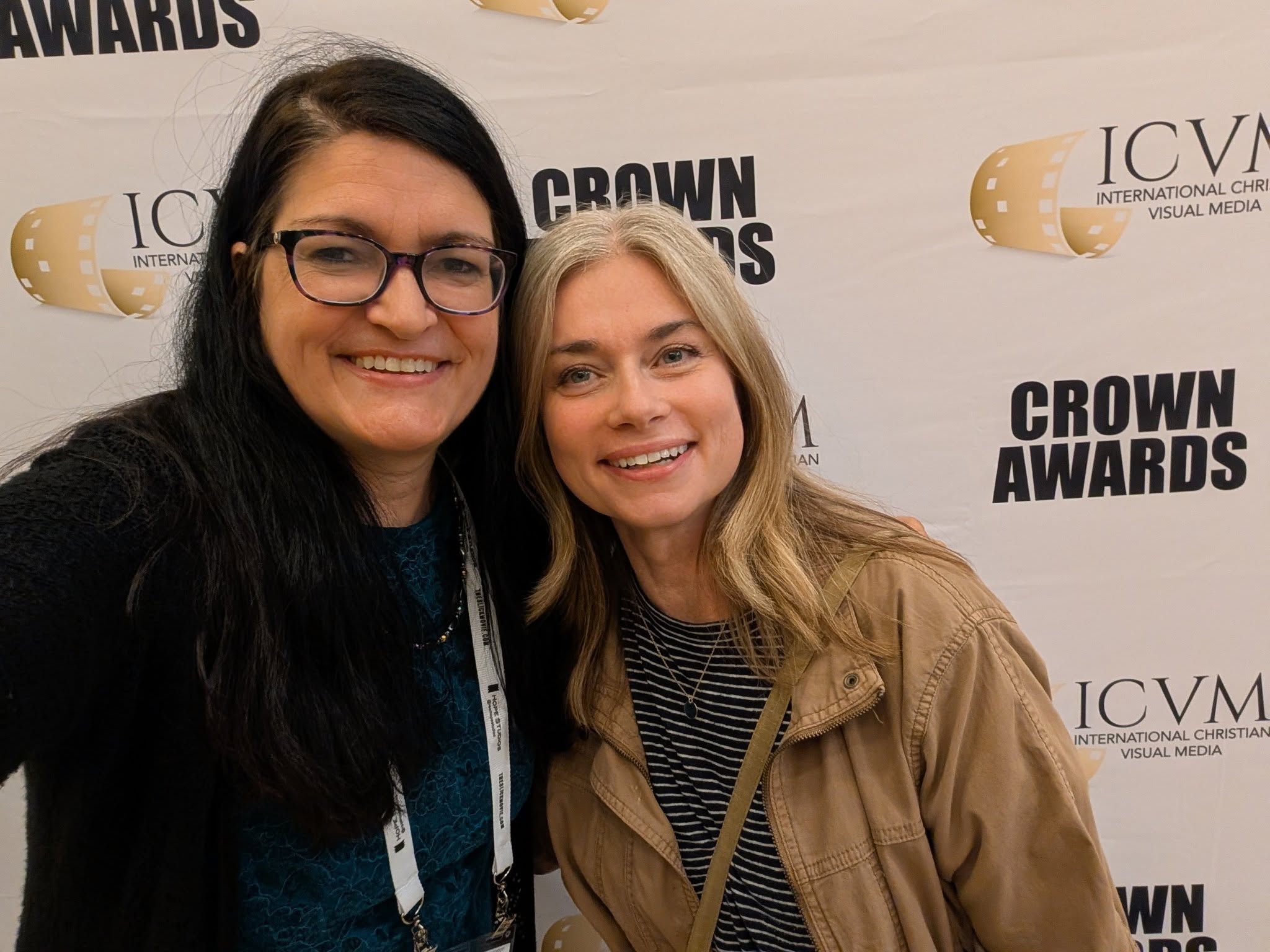
PHOTO 2: ICVM Cheryl with Rene Gutteridge
For further deep dives into the process of other professional writers pictured here, check out my other writer Q&A blogs with Heather Blanton and Rene Gutteridge.
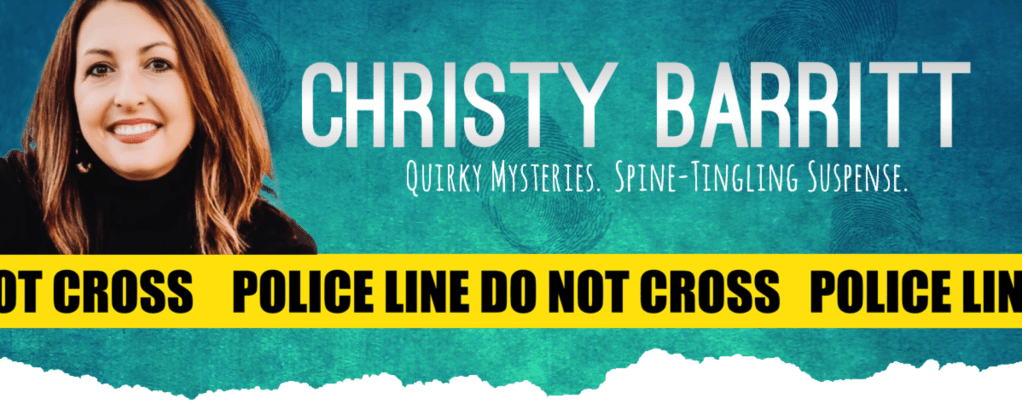
As a screenwriter/novelist, I often stumble upon some very talented writers whose work I admire. One such author is Christy Barritt, known for faith-based cozy mysteries. If you’ve heard of actress Joey Darling, Gabby the Crime Scene Cleaner, or Lantern Beach’s Police Chief, Cassidy, you know how engrossing her characters are. (And I can’t forget Holly Anna Paladin. Or the True Crime Junkies, or the crazy things that happen in Fog Lake.) I’ve read more of Christy’s books than any other author.
One favorite of mine is Home to Chestnut Grove, a book I’d love to one day adapt into a cozy Hallmark, UP-TV, or Great American Family style Christmas movie.
I have my sister, Heather, to thank for introducing me to Christy when she thought I’d enjoy her Holly Anna Paladin series. I read all seven during one summer. And I’ve been hooked since.
I got the chance to ask Christy for a peek behind the curtain of how she manages to write so many new books every year. I hope you enjoy our conversation:
When did you first realize you wanted to be a writer and what drew you to “cozy mysteries”?
I’ve wanted to be a writer for as long as I can remember. I actually wrote several books while I was in high school. I’ve always loved reading and stories. The fact that I can create them now and make a living at it is a dream come true. I was drawn to writing mysteries because I wanted to write what I liked to read—and those books always contained a dash of history, suspense, and romance.
How many books have you published up until this point of your career?
Just this year I hit 200 books written and published. I have sold over 5 million copies of my books, which is unbelievable to me!
I love how often, when I think you’re done with a series, you announce in your newsletter you missed those characters and wrote another installment. Usually, I’ve missed them too! Out of all of them, what is your favorite series so far and who is your favorite character you created? And why?
That’s hard for me to say—kind of like choosing a favorite child. But if I had to pick I would say Gabby St. Claire from the Squeaky Clean Mystery Series. She and I have been hanging out for many, many years. In fact, the first book in that series came out nineteen years ago—which I find hard to believe. Gabby is the one who got me started with my writing career, and I suppose in some ways I can see part of myself in her. We have different backgrounds and lives, but I still feel in some ways like she’s my alter ego. I so enjoyed writing the Squeaky Clean series and diving into Gabby’s adventures. I hope to one day do another series featuring Gabby and Riley together. But I’m not quite ready for that yet.
The amount of books you write and publish a year really impresses me. You are so prolific while never compromising quality. Talk about your writing process from idea to publication:
Since I write so many books a year, I’ve really honed the process of how I write in my books. I can in general write, edit, and publish a book within four to six weeks. One of the things that allows me to write so fast is that I dictate my first draft fairly quickly. When I’m dictating, I can write anywhere between 6000 and 12,000 words per day. That means I can finish my first draft within a week or two. I plot out each section of the book as I go. Once I finish that first draft, I go through and revise it two or three times. Once I’m happy with it, I send it to my assistants and get their feedback. Then it goes to beta readers and edits and finally, proofing.
Cheryl Here–Wow. That’s amazing. Speaking is a totally different brain than writing by hand or typing. So I’m in awe your mind lets you be creative in the form of book prose on the spot like that. I can brainstorm out loud. And I do so in my car into a recorder. But I could never write a book or screenplay that way with prose, POV, interior monologue or dialogue formed into coherent conversations. I’m also a plotter the max. But you’ve inspired me to want to figure out how to train my brain to do that.
Given that you plot as you go, does that mean you do not know who the villain will turn out to be when you start a book?
I usually have a few ideas in my mind, but I’m not sure which direction I’ll go. Sometimes all of that changes and the villain is a surprise, even to me!
What advice would you offer to writers who struggle with writer’s block or procrastination?
Writer’s block and procrastination can both be difficult for sure. But the best way to get through these are by simply writing. I know that sounds probably a little too basic. But sometimes people can sit on their ideas for too long or examine them over and over. And sometimes it’s just a matter of jumping in and starting. Even if you end up writing something that may seem terrible and no good at the time, once you have the words down, you can always change them and make them better.
Sometimes, in the past, when I’ve struggled with writing my next chapter, I’ve realized that it’s because there’s a problem with the core of the story. Maybe there’s not enough tension or conflict to sustain the plot. That means I need to go back and rework my basic story premise so that it’s strong enough to carry the entire book. Once you have the premise down and all the proper elements in place, the story usually flows pretty easily.
You’ll never write a book if you only think about writing the book. And the more you write, the better you will become at it. So keep pushing forward because even if your early books aren’t wonderful, you can consider them your practice books. I probably have 12-15 books that I wrote at the beginning of my writing journey that I consider practice books. They will never see the light of day—not unless I decide to rewrite them, at least.
You had a movie made from one of your books. Tell us about that and are there more of those coming for you in the future?
Yes, I did! Hazardous Duty, the first book in the Squeaky Clean mystery series and one of the first books I ever had published was made into a movie. It released in 2022 on select cable stations. It’s now available to watch through Amazon Prime as well as a few other places. (As of this blog posting, it’s currently free for Prime Members to watch the movie.)
Most people think the movie happened overnight, but in truth it was about eight years in the making. That means between the initial interest and optioning of the book and the time it was released, there were a lot of ups and downs. There were a lot of moments where it seemed like it would happen and then it didn’t happen. There were lots of periods of time when I heard absolutely nothing at all and wondered if the project had been forgotten.
Then, just when I tried to put it out of my mind, I got an e-mail one day from the producer and she informed me that they were starting to film in two weeks. I was actually able to go out for a couple of days to watch them film and that was a super special moment for me.
The movie didn’t exactly follow the book, which made some of my hard-core readers unhappy. But overall it was a really fun experience. I have other books that are optioned, and originally there were going to be more Squeaky Clean movies. However, it has been a while since I’ve heard anything (which seems to be what happens in the movie business!) So now I’m just waiting to see if I hear anything. I would love to see more of my books as films.
Please include links to your website and social media sites:
Thanks for joining us today, Christy, and sharing your creative process. And please write more of Joey, Gabby, and Cassidy, even together like you did in your recent book, The Crime of Our Lives.
I first met Heather Blanton at the International Christian Film Festival in Orlando, where she conducted a memorable interview with actor Rusty Joiner (who plays Andrew in my TV series, These Stones) and me. Her thoughtful questions and enthusiasm helped spread the word about our show.
Heather is the author of the bestselling Defiance series, known for its strong, faith-filled heroines and richly drawn frontier settings. With her passion for history, faith, and fearless women of the West, Heather continues to inspire readers and audiences alike.
I hope you enjoy my Q&A with her!
1. You recently partnered with Beautifully Flawed Productions, alongside Shari Rigby and Claire Yorita Lee, to bring A Lady in Defiance to life as an audio drama. What was that process like for you—hearing your characters voiced and your world re-imagined in a new medium?
I was sitting in a Food Lion parking lot when Shari and Claire sent me some videos of the recording sessions. It was amazing and brought tears to my eyes. I released A Lady in Defiance in 2012. The script and book have been optioned three times. My hopes have been sky high–and dashed to pieces. Finally, I knew when I signed with Shari and Claire, the right people had the project. Their passion for A Lady in Defiance equals mine and the recordings–hearing actors say lines I wrote–floored me with gratitude. Someone believes in this story as much as I do. I am humbled, grateful, and blown away by God’s faithfulness!
2. I have no doubt what attracted Beautifully Flawed Productions to your Defiance series is that you write women with true grit. What do you find most compelling about writing female characters like that, and how do you balance historical accuracy with appealing to modern-day readers?
There’s a lot to unpack in that question. You’ve probably heard it said that well-behaved women seldom make history. The phrase “well-behaved” can create an argument, but what it means to me is that women who can’t break free from stereotypes or cultural expectations don’t change the world. That’s proven over and over again when you look back at America’s history.
I’m proud to say I am not a feminist. I embrace my femininity. That doesn’t make me a victim. And the women who helped settle and build this country would most likely tell you the same thing.
What’s compelling about writing characters like them–strong-willed, determined, courageous–is the simple fact that they do more than they ever thought they could, simply because they have to. Men saw the challenge of the frontier and lunged into the midst of it. The women most often went grudgingly, but once there, they withstood the challenges.
I hope my characters speak to modern women by showing them they don’t have to sacrifice femininity for success. They are stronger than they know, even though they are different from men. Yes, we are the weaker vessel, physically, but that makes our triumphs even sweeter.
As far as balancing historical accuracy, I write Christian historical fiction. I attempt to do so in an immersive, unapologetic manner, meaning I don’t whitewash the story to meet modern standards. I may use terms that offend some people. Squaw, for example.
I try to never do anything gratuitously. It makes me crazy when authors and screenwriters shove stuff down our throats. Challenging, gritty material must be genuine and serve the story, or it doesn’t belong in the story. Sort of like the Bible, if I may use that example. The Bible covers a lot of mature subject matter, but it is also not graphic. And it’s there for a reason.
I tell my readers my filter is Gunsmoke. Gritty, real, a little raw, but tasteful.
3. You’ve written not only full-length novels but also shorter works and novellas, like In Time For Christmas: a Time Travel Western Romance. How does your approach differ when crafting a sweeping series arc versus telling a more compact, standalone story?
I suppose there’s a deep, academic answer to that question, but for me–I simply look at the story, asses what I want the audience to feel or see immediately, and be impacted by the most, and that’s what gets written. For example, In Timefor Christmas opens in the midst of domestic abuse. A slap, and then Charlene sees stars, feels the pain rocket through her head, followed by the cool of the Italian marble floor beneath her cheek. This is her life.
From there, readers can fill in many blanks about a scene or situation that description is, again, kept to a minimum, but focused on what is the most impactful. Readers don’t mind using their minds…as long as I’m not being a lazy writer.
In a full-length novel, I paint more of the scene for the reader, spell out more things, do more of the work of imagining for them. I would call it a “welcome to my world” type of writing as opposed to the “go with me on this” style for novellas and short stories. Just as fun but a different kind of challenge.
4. Your books often weave faith into rugged, even dangerous settings. Have there been moments where your own personal faith journey directly influenced a character’s turning point or plot twist?
Short answer: multiple times. The theme behind A Lady in Defianceis trusting God when He doesn’t make sense. I wrote that story after my sister passed away from breast cancer and I had a lot of grief to work through. She had been a faithful, Godly woman most of her life and she never let go the Lord. Her faith and trust was unshakable. That helped me tremendously in my writing.
There’s also a moment when Naomi (A Lady in Defiance) is dealing with a mean prank some prostitutes have pulled on her. They put gum in her hair, requiring her to cut off her locks. Her sister admonishes her to look past the stunt and see the two prostitutes as children whom the Lord loves. Well, the gum situation actually happened to me in high school!
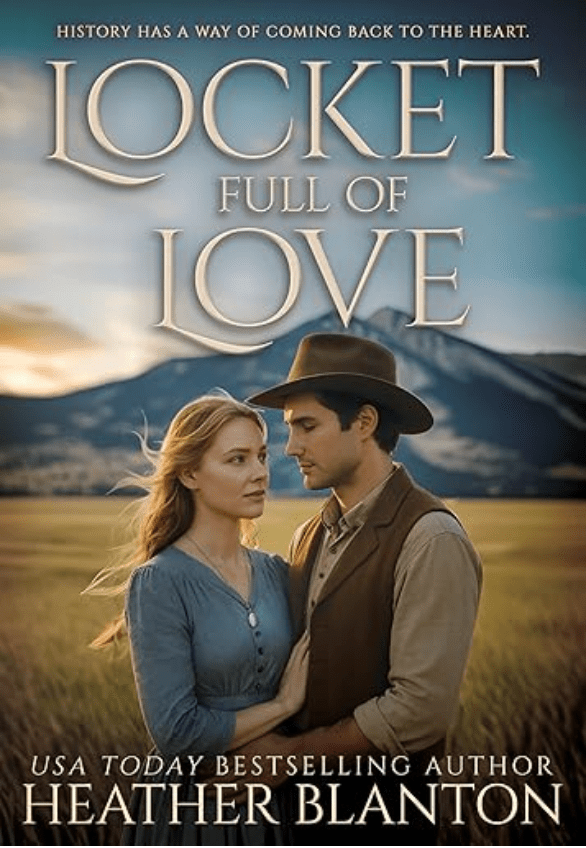
The book Locket Full of Love came from a time when I judged a situation and the people involved without having all the details. So, yes, I weave lots of life experiences (and lessons-hopefully-learned) into my stories.
5. You’ve built a loyal readership in a niche genre—faith-based historical Western romance. What advice would you give to writers trying to stand out in a crowded market while staying true to their voice and vision and what are some of the ways you built your faithful audience?
Be honest and sincere with your readers. Write lots of different stories, but always be true to your worldview and your inner-voice. That way, the audience never has to fear what might be lurking in your book. Also, it took me a while to believe that my readers are interested in me. They like me. Most of them, anyway, and they’re truly curious to hear some details about my life. God bless them, they are praying for my Marine son Whit, or asking how Wyatt is doing up at Carolina. They want to know about my weekend wood working projects, and how the animals are fairing on the farm. They really care. Much to my amazement. So, the lesson there is share the personal details. It makes friends out of your readers!
6. Favorite character you’ve written:
Penelope Jones is my favorite character, hands down. Simply because she was the most fun to write, and she was inspired by two mountain women I knew growing up in WNC. She’s a little bit Ellie Mae Clampett, a little bit Calamity Jane, and a little bit my two neighbors who could toss their husbands down the mountain when they had to “discipline” them! Usually, moonshine was involved.
7. What’s next for you? Other works in progress?
I have a lot going on. Beautifully Flawed Productions optioned the script for A Lady in Defiance, as well as the six books in the series. They’ve just finished turning ALID into a dramatized podcast with the goal of turning the book into a limited TV series. They also optioned my book Defiant Ones, a collection of stories about American women who did amazing things to help settle this country. Their goal is to create a dramatized podcast based on some of the women from the Revolutionary War-era.
I’m also writing a new book–a Western based on Esther, editing one, outlining two for release in 2026, working out the details for a collaboration with another screenwriter, and finishing off a write-for-hire script about an underdog sports team.
Heather’s passion for history and faith shines through in every word she writes, and now in the ways she’s expanding into audio drama and beyond. Our conversation reminded me why readers connect so deeply with her heroines—because they reflect real courage, real struggle, and real hope. But also how they can connect with the author as well.
She’s a storyteller who doesn’t just entertain; she invites you to step into a world where grit and grace meet. I can’t wait to see what new frontiers Heather will conquer next.
Would you like to support the production of A Lady in Defiance?
I have and I hope you will consider doing so as well.
Your donation to “A Lady In Defiance” is not just producing an audiobook; Beautifully Flawed Productions in cooperation with The Women in my World are help creating a movement. Your contribution provides meaningful employment for talented Christian women (and men!) in entertainment, funding high-quality, professional-grade production, and bringing Naomi, Rebecca, and Hannah’s powerful story to life in ways that will resonate with hearts around the world.
I personally am excited about this move toward audio dramas and hope to dive into that myself.
Thanks for taking the time to read my blog today with Heather Blanton.
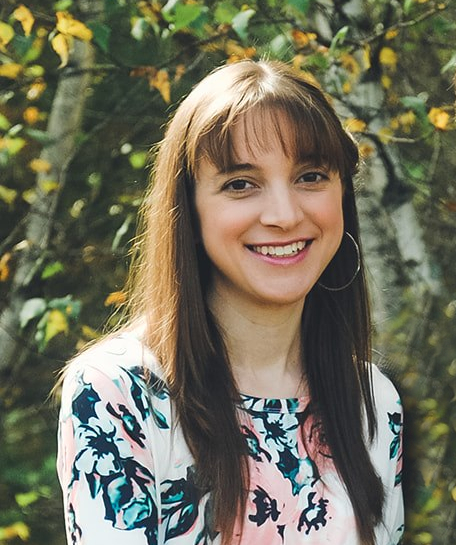
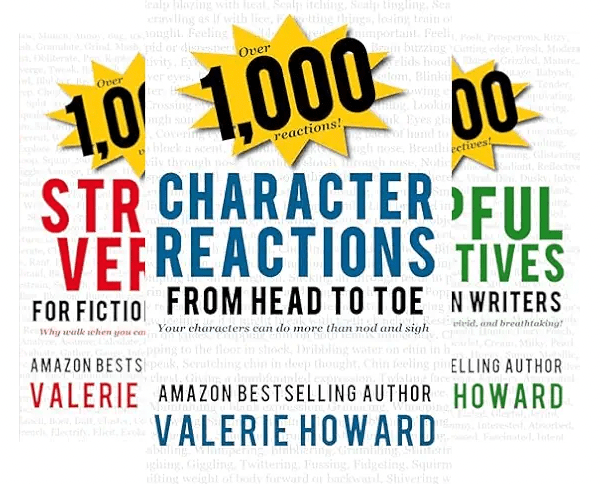
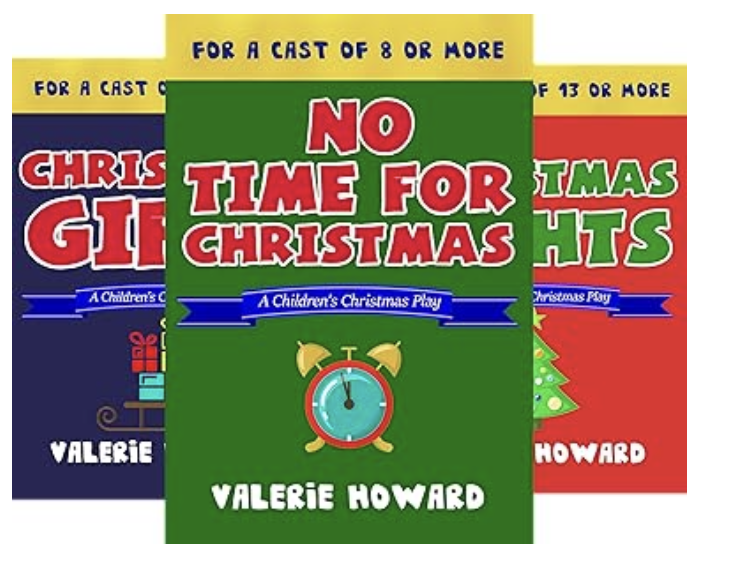
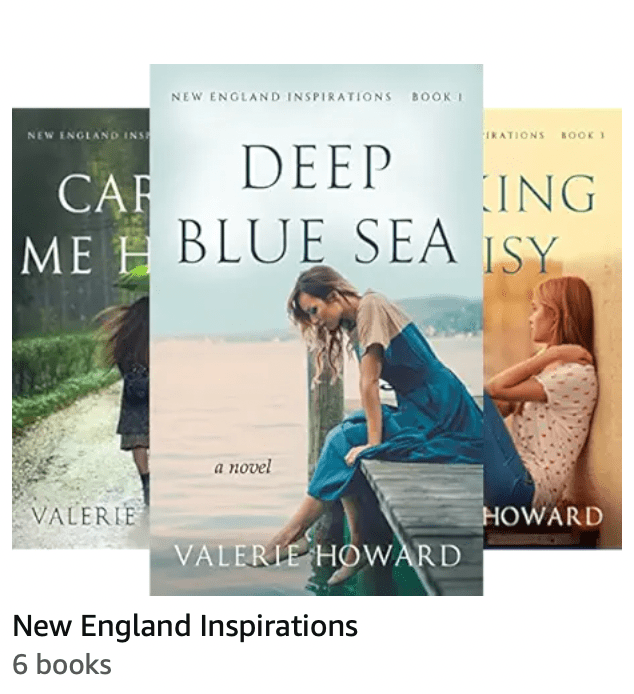
Every now and then, Amazon’s recommendation engine actually gets it right. One weekend, while browsing, I stumbled upon Valerie Howard’s work — and sure enough, they were right that I’d like her work. Valerie is a versatile writer whose creativity spans multiple genres: she’s penned writing help books for fellow authors, stage plays (Christmas productions), novels, and even children’s picture books. She sometimes collaborates with her husband, Steve. The first work I read was the Christmas play Christmas Catastrophe, which she co-wrote with him.
I also immediately bought this four book set to help with my writing:
Intrigued by her range and inspired by her ability to juggle so many formats, I reached out to Valerie with a few questions about her writing career.
What inspired you to become a writer?
Reading and listening to stories always made me want to make up my own since I was a little girl. I’d read Encyclopedia Brown books in third grade, and I’d write my own mysteries. (They all got solved the same way, because I do NOT think like a mystery writer.) So, for me, reading really inspired a love for stories, and that made me want to write them.
I started writing to publish after I graduated college as a “well, let’s try it, I’ve always wanted to write a book” type of thing. But once I held my first book in my hands, I was hooked, and wanted to write more!
You write such a variety of book formats. Writer’s guides, stage plays, novels, kids’ books, and nonfiction. What is your favorite and why?
My favorite type of writing is where I can use my imagination and encourage others in their faith at the same time. If I can create realistic characters and help them learn truths from the Bible through hard-earned life lessons, count me in, no matter what format that may take. I think full-length fiction novels are actually my favorite because I get to live in that world for a much deeper dive.
Talk about the creative process of writing a play that churches can use. What writing tips do you keep in mind to make them able to be produced? And have you ever had a chance to stage one yourself?
My church has put on a Christmas play every year since I can remember, so I was in a dozen or so plays as a child, and also directed the Christmas play at our church for a few years, so all of that experience helped me write plays for other small churches. I’ve seen how churches like ours struggle to find quality Christmas plays that don’t need twenty characters, five soloists, and a huge four-part children’s choir in order to make it work. I wanted to write plays that don’t have a lot of complicated props or many actors needed so they can be produced on a tight budget with minimal volunteers. The key word is simplicity. We’ve performed all but one of my plays at our church at one time or another, and it has been very fun to see the vision come to life.
I’m intrigued by the fact that you collaborated on one of the stage plays with your husband, Steve Howard. How did you find co-writing vs. solo writing?
My husband, Steve, and I wrote that play when we were working for my parents’ accounting firm and we had some downtime… It was fun to bounce ideas off each other and see how the story took shape. Steve is brilliant and has a great sense of humor, so it was really fun to write with him. I think a 25-minute play is easier to write alongside another person, because it’s pretty short, simple, and sweet. I don’t think I could collaborate with anyone for a full-length novel because it’s so much more complicated, and my poor brain couldn’t handle all of my ideas in addition to someone else’s for that.
What advice would you give to writers just starting out about the writing journey and getting published?
I would first say to a new writer: read a lot, write a lot, and learn your craft. There are many free writing videos online that can help you learn all about story structure, self-editing, character development, character voice, etc. Even though I’ve been publishing for 14 years, I still have a lot to learn, and there is always room for improvement. I’d also say: decide your why. Why do you want to write? That will help you decide if self-publishing or traditional publishing is best for your project, and what audience you are writing for. Knowing the “why” behind your writing will also help you through the hard days when the words aren’t flowing, the characters aren’t cooperating, you get a rejection letter or a bad review, and you are tempted to give up forever. And the last thing I’d say is: be ready to work hard. Writing is fun, but it isn’t all fun. You have to treat it like any other skill. It takes determination, practice, and perseverance just like anything else you want to excel at.
Valerie, thank you for joining me today on my blog. I hope my readers will check out your work! I look forward to using your Writing books on my next book.
You can visit Valerie Howard’s AUTHOR CENTRAL PAGE on Amazon to check out more of her books.
Or visit her OFFICIAL WEBSITE to be kept up to date and get some great freebies.
Valerie Howard Biography:
Valerie’s goal in writing is to bring people closer to Jesus one chapter at a time. Valerie has been writing stories since she was in second grade when she wrote “The Mystery of the Missing Crayon.” She gave up writing mysteries soon after and now concentrates on real-life stories that tackle tough issues such as homelessness, unplanned pregnancy, family tragedy, childhood trauma, foster care, poverty, and terminal cancer.
All of her books are filled with the hope and love of Christ and are uplifting and feel-good with happy, though sometimes tearful, endings as her characters overcome their obstacles with God at their side. She also writes biblical non-fiction, indie author non-fiction, children’s books, allegorical fiction, and small church Christmas plays. (She’s a little obsessed with writing.)
Valerie is a fan of summer, warmth, and flip-flops, so she often wonders why she lives in Maine where she is frozen for the better half of the year. But her amazing husband and adorable sons live there with her, so it’s not all bad. She graduated from Bible College with a degree in Bible and Missions a long, long time ago in a state far, far away.
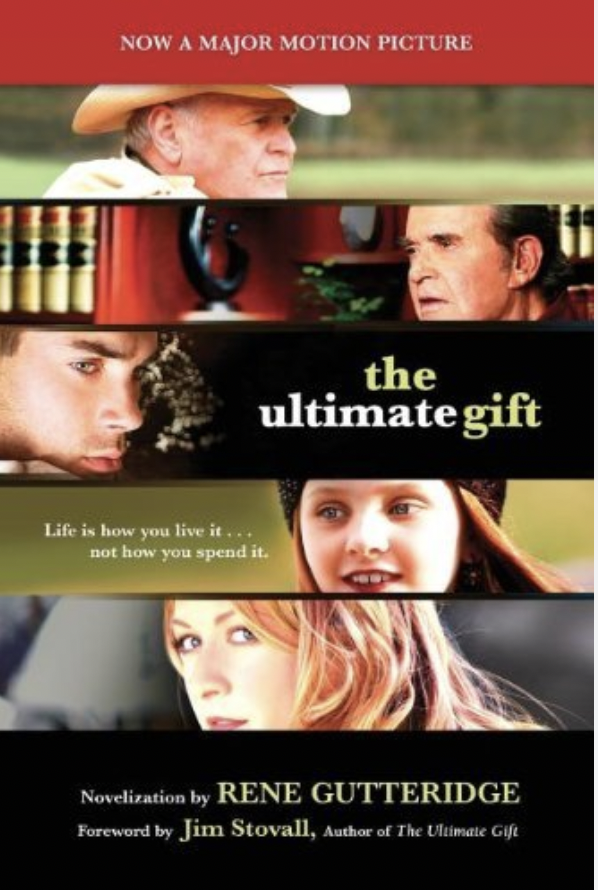
I first met Rene Gutteridge after she adapted my film, The Ultimate Gift, into a novelization.
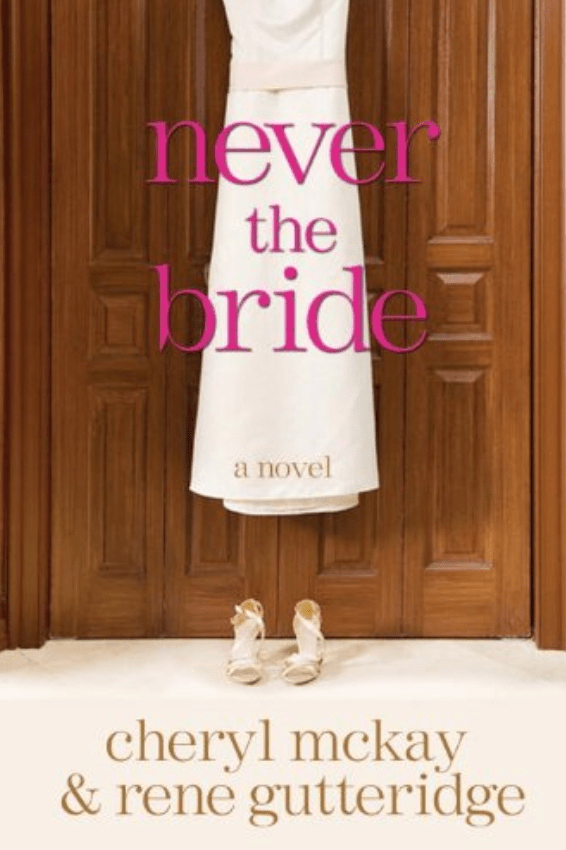
Even though the film was already a book adaptation based on the book by Jim Stovall, when I wrote the screenplay, there were enough differences that Thomas Nelson Publishers partnered with Rene and our production team to craft a new book as a movie tie-in. I didn’t meet Rene or even talk to her during that process at all. Instead we got to know each other from a distance, shortly before when we sold the story of my screenplay, Never the Bride, to RandomHouse for Rene to adapt into a novel.
It was such a treat to meet her in person for the first time, the week the book released, at the Gideon Film Conference. (Yes, this was 2009 so we were a bit younger back then.)
Rene has been a tremendous friend and collaborator since that time. We’ve been involved in six projects together now and hopefully more to come in the future.
She’s one of the most versatile writers I know. She embodies creative range, generosity with collaboration, and spiritual depth. With a career that spans well over two decades, Rene has penned more than 25 novels, adapted screenplays, written original scripts for film and television, and crafted poignant short films that pack an emotional punch. She’s one of those rare storytellers who can move effortlessly between the page and the screen — and do it all with heart, humor, and purpose.
Rene’s indie film SKID earned Best Oklahoma Feature at the deadCenter Film Festival in 2015, and her novel My Life as a Doormat was adapted into the Hallmark movie Love’s Complicated. She co-wrote the feature film Family Camp, which went on to win the Movieguide Award for Most Inspirational Independent Movie and was nominated for a Dove Award in 2023. Additionally, she has been named a Screencraft finalist in the true crime category and holds an Excellence in Mass Communication award from Oklahoma City University.
She also recently collaborated with my friend, Bridgette Cameron Ridenour, on her award-winning autobiography, Overlooked.
Whether Rene is diving into suspense, comedy, heartfelt drama and even nonfiction, she writes with a redemptive thread that reflects her faith and compassion — without ever sacrificing great storytelling.
In this Q&A, Rene shares insights into her creative process, the joys and pitfalls of collaboration, and what she’d tell her younger writer self if she had the chance.
Rene Gutteridge Q&A:
1. You’ve successfully navigated both the novel and screenwriting worlds — how does your creative process shift when writing for a reader’s imagination versus a director’s lens?
The shift really comes in the second part of the process. The first part is always the same approach to the story—the big picture questions that revolve around character first, then plot, then value and strength of the story itself. Next, I evaluate it on whether it can and should be told visually, or conversely, whether it’s able to be told internally. For instance, I wouldn’t try to write an action story in novel form without a great, meaty character because I may not have enough of an internal story to play with that would balance the action.
So, the shift comes after I find the value in and scope of the story. Once I land on what form it should be told in, I then must really shift the gears in my brain. It’s a much harder shift for me toward visual—it really takes a very intentional focus because my brain goes to the internal story first. That’s my natural bent.
2. You’ve written original screenplays, short scripts, and novels— which of those formats has taught you the most about character development, and why?
Novels have taught me the most about character development simply because of the depth you are allowed to plumb, which is nearly infinite. However, screenplays have taught me the most about quick, deliberate and intentional character development. Novels can feel like the lazy river while screenplays are like the whitewater rapids. Both get you there but it’s totally different experiences. And there probably isn’t a starker difference between screenwriting and novel writing than in the area of character development. The result is the same (the arc), but how you get there is very different.
3. As someone who’s collaborated on both novels and scripts, what’s one unexpected benefit of writing with a partner—and what’s one pitfall writers don’t see coming?
I’m an enormous fan of collaboration. However, that wasn’t always the case. Novelists are creatures of solitude. We don’t play nice and we don’t want people in our stories. My first collaborative experience came through editors. They’re like thieves in the night, except they bring you treasure rather than take it. They never get credit, but a good editor will enhance a book through a collaborative effort, and they’re masters at it.
The unexpected benefit of writing with a partner is that you get both edges of the sword—pushed to do better and praised when you’ve done well. Both are necessary and work your soul through a process that has wonderful benefits for a long time.
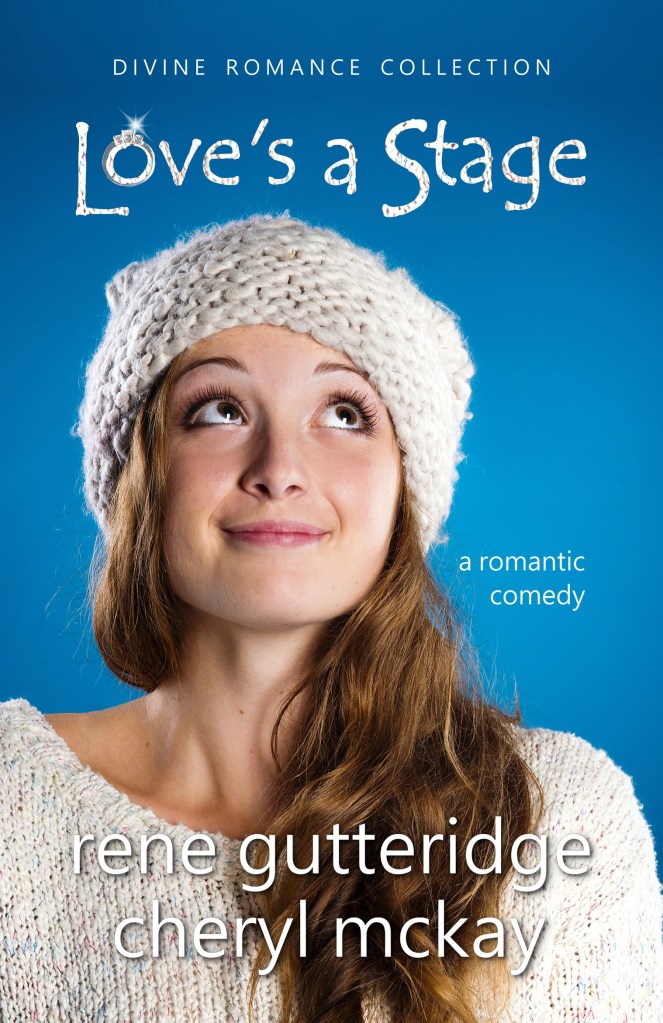
My first collaboration in fiction (which is highly unusual), was with you, Cheryl. when I novelized your screenplay Never the Bride. One of the reasons that worked so well was that although you had the clear vision for the script, you were smart enough to recognize that the novel had to be approached differently. Screenwriters, by the way, are far more flexible and easier to work with than novelists. I’d pick a screenwriter over a novelist any day of the week. Our formula, so to speak, was that you laid the groundwork for the story and I executed it in novel form. That process worked for all our collaborative fiction efforts, (including Greetings from the Flipside, Love’s a Stage and O Little Town of Bethany) as well as other novelizations I’ve done over the years.)
The only fiction collaborations I’ve done have been novelizations with the formula I spoke of. One of the reasons for that is that novels require a very deep internal dive into a character, and it’s difficult to split that between two minds and two souls. I know writers who have done it, and I’d be curious to know how they pulled it off. My suspicion is that one handles the story idea and the other handles the execution of it, but I’m sure there are exceptions to that rule.
Pitfalls in collaboration with screenwriting normally come through personality differences more than vision differences. When two personalities click, they can usually work their different visions into something beautiful. So I recommend working with people who you may not see eye-to-eye with, but you’ll go to dinner with afterward just for their company. The beautiful thing about collaboration is that two visions become one. Or in the case of film, a dozen visions.
4. Your stories often carry strong themes of redemption, hope, and faith — how do you balance delivering meaningful messages without becoming ‘message-driven’ at the expense of story?
I view theme like I view a score in a movie—you shouldn’t notice it during the movie but you’ll go buy the music afterward. Theme is something you walk away with but don’t notice while it’s happening. And I even dislike the word “message” because it makes me think of Sunday morning church. I’m a fan of those messages, but when I’m inside a story, I want to lose myself there. If your theme is strong, you’ll never have to mention it to the reader or viewer. It will sort of bleed out of the pores of the story. In my view, if you have to mention it, then you haven’t done your job inside the story.
That said, in the faith genre and market, it is often expected and even required by producers and studios to state the theme explicitly. When that’s the case, I work to make the producers happy but challenge myself to thread it as organically as possible.
Another reason that I try so hard to limit the amount of “messaging” I do is because I believe people find their own themes in stories. I’m always amazed at the various themes people find in my stories that I did not put in there!
There is a beautiful and special space between a writer and reader or viewer. We both arrive at this moment bringing two different things, but only one of us leaves with something. Writers are givers. Readers and viewers leave with a gift because at the end of the day it’s what they experience in the story that turns out to be their gift.
So, drilling a message into a story can really limit the gift of theme that emerges in the reader or viewer experience.
5. If you could go back and whisper one piece of career advice to your younger writer self—before your first published book or your first script sale—what would it be?
That’s an easy one. “Calm down.” I was an anxious young writer, and it didn’t add a year to my life—it probably subtracted a few!
* * *
Thank you so much, Rene, for taking the time to talk with us today about your writing craft. So many gems to take away.
If you would like to book Rene for a professional consultation on your work, you can visit her booking site. She offers a variety of helpful services to writers.
Catch Rene and Cheryl as we teach writing together October 2025 at the ICVM Storytellers Conference in Orlando, FL. Rene & Cheryl will give a workshop on: Adapting your Screenplay into a Novel. Rene will also give a separate workshop on Make Me Care: Designing An Act One that Makes Your Story Matter. Cheryl will also join award winning writer, Bob Saenz, for a class on Effective Pitching just in time for ICVM’s Pitch-a-Thon where writers get the chance to pitch projects to production companies. Bob will also teach a separate workshop on Writing to Budget. For more information about ICVM’s Storyteller’s Conference, visit their website.
Collaborations between Rene & Cheryl:
Cheryl & Rene also have a class on UDEMY teaching on writing Novelizations. You can sign up for it here:
Thanks for joining us today for my conversation with Rene Gutteridge. You can subscribe to Rene’s newsletter on her official website. Click here to visit her Amazon Author Central Page to see more of her work.
(Cheryl & Rene, moments after we’d met the first time at the Gideon Conference at the Lifeway Christian Conference Center in Asheville, NC, in June 2009.)
If you are anything like me as a writer, you don’t like waiting to see your work come to life. It’s often a long wait between movies getting filmed. I have one movie I co-wrote that is in production right now, but it’s been years since that’s happened. I’m thankful that during those years between I get the opportunity to work in novelizations. And that’s the process where my scripts get turned into novels.
I’m so thankful I was able to get to know the talented novelist, Rene Gutteridge, after she novelized my script for The Ultimate Gift. We went on to work on Never the Bride, Greetings from the Flipside, Love’s a Stage and O Little Town of Bethany. I also novelized Song of Springhill on my own, a story I’ve been working on since the late 90s. I so appreciate having an outlet to share stories, instead of waiting on productions to get funded. Releasing a story this way, I know it will get told in this one way. But naturally, the hope is it will also get considered as a film once it gains a reader base.
Have you thought of adapting your scripts into novels, so you could get in published while waiting for someone to take notice of your script?
Rene and I teach how to do this through our Udemy class, which is a mix of videos and PDF docs of our How To book.
Here’s a description of the class from the Udemy website:
Are you a screenwriter who has wondered what it would be like to write your script as a novel? Are you tired of not seeing your work produced? Releasing your story as a novel is a great way to get it out there and see if you can find an audience. This could help Hollywood take notice. Novelizing your script is also a way to share your story with the world and not wait anymore. Especially in the age when self-publishing is available to all of us. I got tired of waiting for “Hollywood” to decide my stories were worth telling and started getting into the novelizations process after my film, The Ultimate Gift, was produced. I’ve done six of these now. One novelization on my own, and five with my writing partner, Rene Gutteridge, who has been a published novelist over thirty times. She’s also a produced screenwriter. This class will walk you through what has to change from screenwriting to novel writing. Rene Gutteridge joins me for quite a few of the video lectures so you have an expert in screenwriting and an expert in novel writing teaching this class. Each section has PDF downloads. Together these include all segments of our published book Novelizations: How to Adapt Scripts Into Novels. You’ll see real live samples from many of our published works so you can get a complete understanding for how a screenplay translates into the very different writing form of a novel.
PLEASE NOTE: Udemy estimates this class has 4.5 hours of lecture content. This includes both video lectures and written PDF documents. The run time on video content is approx. 100 minutes.
Today’s author interview takes us to Los Angeles, California to speak with Cheryl McKay, author and screenwriter, as well as producer. Hello, Cheryl and thanks for taking time to share with my blog readers and me.
Cheryl McKay
Janice: How long have you been writing and how did you come to it?
CHERYL: It started around the time I was 5 years old. I wrote a play based on my Winnie the Pooh lunch box and we acted it out for neighborhood kids. I was always writing plays and short stories. I wrote about 10 plays the year I was fifteen. Well, that’s what I called them. I didn’t realize they were actually screenplays. (Too many locations to be on a stage.) I’d write them on loose paper and then recopy neatly into a notebook, and that was my idea of “rewriting.” I began to study screenwriting in…
Have you ever thought about adapting your script into a novel? Have you wondered how the process of novelization works? Rene Gutteridge and I have done a few of these together, and she’s done several with other screenwriters. We won a Carol Award / Book of the Year Award in the Women’s Fiction category of ACFW, for Never the Bride.
I also recently started adapting some of my scripts myself into novels. It’s hard work, but a very fun process. There’s definitely an art to it! It’s exactly the opposite of the process you’d go through to adapt a book into a screenplay (like I did with The Ultimate Gift). And getting your scripts out there as books just might help you get a movie made! And for novelists, you could find some good projects to work on that are about half the work of writing a novel from scratch.
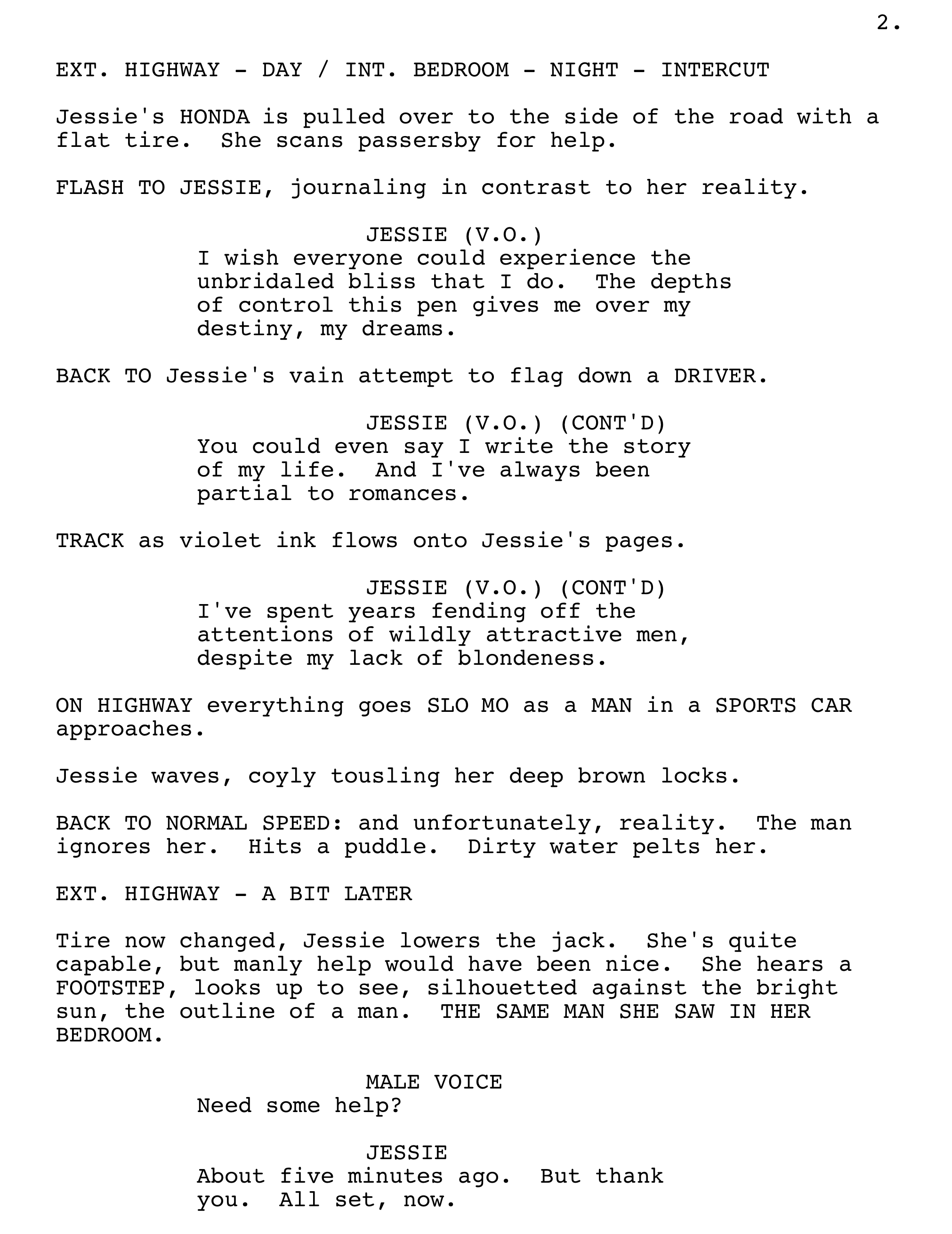
On this blog, I’d like to show you one example from my screenplay Never the Bride. To follow are the first two pages of the screenplay:
Now, before continuing to read this blog, go to your favorite book retailer and use the LOOK INSIDE or PREVIEW feature to read the first part of the novel from the opening to the point where Jessie drives off with her tire changed. (If you hop on a paperback version, you’re looking at pg. 1 through top of pg. 5.) The following link goes to Amazon’s Paperback or Google Books:
The sample included 1188 words, four printed novel pages vs. 472 words and two script pages. That’s two and a half times more words that were put into the novel to describe the same sequence.
This novel is in first-person, present tense, which gives us an active thought life from which to play. It’s like getting to write one long monologue as Jessie tells her own story.
For this blog, we’re going to focus on interior monologue (the subject of Chapter Six of our new “How To” book), one of the most useful tools exclusive to novelists that screenwriters are not allowed to use in scripts. The novel begins with the scene that starts on page two of the screenplay. It draws you into Jessie’s dilemma in a way the script simply cannot. She may be in the same predicament, but we get to spend a lot more time with Jessie, getting to know how she feels about life, her vulnerability, and her singleness. The interior monologue shares some of the information from the voice-over where Jessie is fantasizing about the life she wishes she had. Her journal habit, her hair color (and lack of blonde hair), what she sees as her ideal life. We find out she’s responsible with her job, is capable of taking care of herself, and how she feels about her boss. Even her boss’s character is set up here. All of this is revealed in the next part of the script, but in the novel this information comes out in the middle of Jessie’s crisis to reveal more about her character and life. The inner battle between her romantic optimism and her realistic cynicism shines through as well. The novel also takes a bit more time to describe the setting and the weather.
The interior monologue has a voice. It closely matches the style of Jessie’s voice from the script’s dialogue but is infused with additional humor and an openness you can’t have in a script without access to Jessie’s private thoughts.
Look at the segment of the script again where Jessie hopes the guy in the sports car will stop to help her. Then read over the novel version for that sequence. Notice the difference. Many of Jessie’s thoughts are shared during the part where she hopes the guy in the convertible will stop. We get to peek into what she’s thinking and feeling while anxiously waiting to see if he’ll help her. In reality, that scene on film would take just a few seconds, even if the director chooses to follow the slo-mo, brunette hair-blowing-in-the-wind dramatics. The novel allows us to pause and hear what flies through her mind in that moment, getting caught up in all her hopes and dreams of rescue. The script version is no less devastating to the character as she’s pelted with muddy water, yet the thoughts we get to read with Jessie in the novel are so enjoyable, so character revealing. We may even feel more for her in this moment because we got to stop and take the time to do so. Interior monologue replaces the visual of the muddy water. In book form, saying she was splattered with water does nothing because we can’t see her reaction to it, as an actress would depict it. So instead we have to go inside her head. The hope in film is that a cute and talented actress will garner some great empathy as well.
After the guy in the convertible does not stop and she decides to change her own tire, there is a sequence of her interior thought life about being single. It economically gives us an idea of what this character and story are about, what causes her pain, and she plainly states that she hates being alone. None of this exists in the screenplay, even though viewers are likely to get the same message watching an actress. Those internal thoughts voice the intention of the story of the screenplay, yet the script cannot be nearly that direct. However, notice how both the manuscript and the screenplay are moved forward with action.
The novel references the silhouette matching the man who was in her room after her nightmare. This matches the script without going into what her nightmare was about yet. It sets up that she saw this same, mysterious figure before.
This sample shows you the same sequence. It’s the same dramatic purpose. However, we traveled different writing roads to get there.
This scene is also an example of a change to the scene order (structure), as well as the challenge novelists face dealing with voice-over. This is especially true in this case where the voice-over does not match the visuals; the character is lying to herself about her reality.
We deal with all of those special challenges in translating a script into a novel in our book. This has been one sample, but we have many different samples in our new book, Novelizations: How to Adapt Scripts Into Novels.
To purchase a copy, click either on the paperback link or the kindle link below:
For the month of January, the website called Soul Inspirationz, which celebrates Christian authors and fiction, has decided to feature Rene Gutteridge and me as featured authors.
If you’d like to read more about our writing careers and lives, visit the following links:














![Pageflex Persona [document: PRS0000035_00015]](https://purplepenworks.com/wp-content/uploads/2014/03/screenwritingfinal_frontcover.jpg)






 Cheryl McKay (Screenwriter/Book Author)